Table of Contents
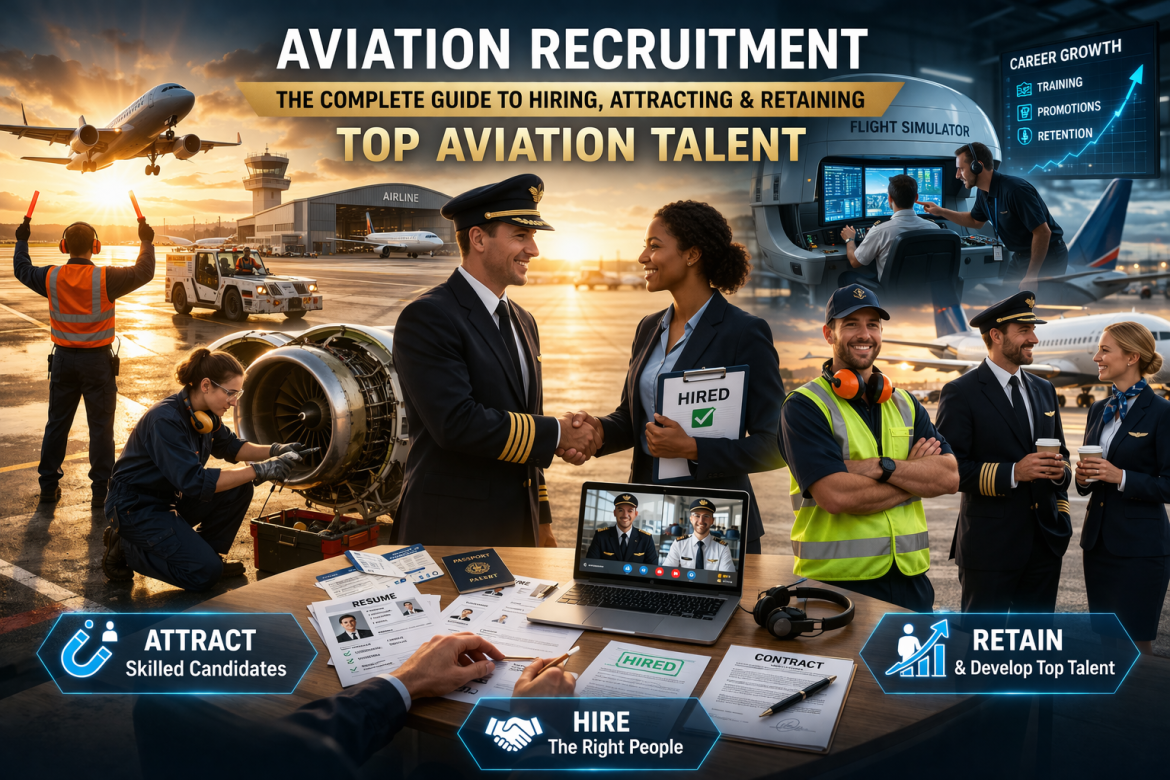
AVIATION RECRUITMENT INTRO: THE PROBLEM NO ONE CAN IGNORE
There is a particular kind of silence that settles over an operation when staffing begins to fray.
It is not dramatic. It does not announce itself with urgency. It arrives in fragments—a delayed departure that no one comments on, a maintenance discrepancy that lingers just a little longer than it should, a scheduler quietly running out of options. In aviation, the early signals are almost always subtle. That is what makes them dangerous.
They accumulate.
A crew member calls in fatigued.
A trip goes uncovered.
A technician stays late—again.
And then, almost inevitably, someone gives voice to what everyone already understands:
“We can’t find people.”
It is said with frustration, sometimes with resignation, and often with the quiet implication that the problem exists somewhere outside the organization. The market is tight. The pipeline is broken. The industry is short.
But that explanation, while convenient, is incomplete.
The people are out there.
What is missing—more often than operators are willing to admit—is a system of aviation recruitment capable of consistently reaching them, engaging them, and bringing them into an environment they are willing to stay in. Aviation recruitment, in its effective form, is not a posting or a process. It is a capability. And like any capability in aviation, it must be built, maintained, and continuously refined.
For decades, aviation recruitment functioned as a largely reactive exercise. A position opened, a listing was published, resumes arrived, and a selection was made. It was imperfect, but it worked—because the balance of power favored the employer. There were more candidates than seats, more applicants than opportunities. Time, in that environment, was an asset.
That environment no longer exists.
Today, recruitment operates in a market defined by scarcity and selectivity. Pilots evaluate quality of life before compensation. Maintenance technicians assess leadership credibility before accepting offers. Dispatchers and coordinators look for stability, predictability, and upward movement. The modern aviation professional is not simply looking for a job; they are choosing an operating environment.
And they are choosing carefully.
Most operators, however, are still structured for a different era. Their recruitment strategy—if it can be called that—activates only when pressure becomes visible. A role opens. The search begins. The timeline compresses. Decisions accelerate. And in that compression, quality is often the first casualty.
This is the fundamental mismatch.
Aviation recruitment has become a continuous, strategic function—but many organizations still treat it as an intermittent, tactical task.
The result is predictable.
Hiring becomes reactive.
Standards begin to flex.
Retention becomes unstable.
And the cycle repeats.
The operators who have broken this cycle understand something essential: aviation recruitment is not about filling vacancies. It is about controlling the flow of talent into the organization. It is about building a system that ensures the right people are not only reachable, but interested—and that once they arrive, they have no compelling reason to leave.
This guide is built around that premise.
It is not a collection of generic hiring advice or surface-level tactics. It is a structural examination of aviation recruitment as it actually functions—inside real operations, under real constraints, with real consequences. It will move through the full lifecycle: attraction, evaluation, selection, onboarding, and retention. It will examine where aviation recruitment breaks down, why it fails, and how it can be rebuilt into a durable competitive advantage.
Because the question is no longer whether aviation recruitment matters.
It does.
The question is whether your organization is approaching aviation recruitment as a necessity—or as a system worth mastering.
OTHER ARTICLES YOU MAY WANT TO READ:
Part 135 Pilot Hiring Requirements: What Employers Must Know
How to Recruit Corporate Pilots in a Competitive Market
Mechanic Shortage: 5 Powerful and Alarming Trends Reshaping the Aircraft Maintenance Workforce
What Aviation Recruitment Really Means Today
At its core, recruiting is the disciplined process of identifying, attracting, evaluating, and retaining qualified aviation professionals in a market that no longer tolerates inefficiency. But that definition, while accurate, does not capture the shift that has taken place.
Aviation recruitment today is less about access to candidates and more about alignment with them.
The pilot you are trying to hire is not simply asking, “What does this job pay?”
They are asking, “What will my life look like here?”
The technician is not only evaluating tools and facilities.
They are evaluating leadership, stability, and respect.
The dispatcher is not just reviewing schedules.
They are assessing whether the operation is controlled—or chaotic.
This is where most aviation recruiting efforts quietly fail.
They communicate roles.
They do not communicate reality.
And in a market where candidates have options, reality always wins.
The Shift from Transactional Hiring to Strategic Aviation Recruitment
Transactional hiring assumes volume solves the problem.
Strategic aviation recruitment understands that positioning solves the problem.
The difference is not semantic—it is operational.
Transactional aviation recruitment:
- Reacts to vacancies
- Focuses on job postings
- Measures success by time-to-fill
Strategic aviation recruitment:
- Anticipates demand
- Builds continuous pipelines
- Measures success by retention and performance
This guide will show you how to move from one to the other.
Why Aviation Recruitment Has Become a Competitive Advantage
There was a time when safety, reliability, and cost control defined competitive advantage in aviation.
Those still matter.
But increasingly, aviation recruitment is the lever that determines whether those outcomes are even possible.
You cannot operate reliably without people.
You cannot maintain safety margins without experience.
You cannot scale without a pipeline.
And yet, many organizations continue to treat aviation recruitment as a secondary function—something handled after the operational plan is already in motion.
The organizations that are winning are doing the opposite.
They are building aviation recruitment systems that:
- Attract high-quality candidates before competitors reach them
- Convert interest into commitment efficiently
- Retain talent through alignment, not incentives alone
In doing so, they are not just hiring better.
They are operating better.
Aviation Recruitment Call to Action — Build Your Pipeline Before You Need It
There is a point in every operation where aviation recruitment becomes urgent.
The goal is to never reach it.
The Aviation Employment Network Employers Group exists for operators who understand that aviation recruitment must be proactive, structured, and continuous.
Inside the network, aviation recruitment becomes a system—not a scramble.
You gain:
- Direct access to aviation-specific talent pools
- Increased visibility in a competitive aviation recruitment market
- A platform designed for continuous aviation recruitment—not one-time hiring
- Insight into what drives candidate decisions across the industry
This is where aviation recruitment shifts from reactive to controlled.
👉 Join the Aviation Employment Network Employers Group and take ownership of your aviation recruitment pipeline.
SECTION 2: THE AVIATION TALENT LANDSCAPE (REALITY, NOT THEORY)
There is a persistent fiction in boardrooms and HR departments—one that quietly undermines even the most well-funded hiring efforts.
It is the belief that the aviation workforce behaves like a single market.
It does not.
Aviation recruitment, when examined without illusion, reveals something far more fragmented: a series of tightly constrained, highly specialized ecosystems, each governed by its own incentives, bottlenecks, and cultural norms. To approach aviation recruitment as a uniform exercise is to misunderstand the terrain entirely.
The consequence is predictable. Misaligned expectations. Inefficient spend. Persistent vacancies.
The companies that succeed in aviation recruitment are not necessarily those with the largest budgets. They are the ones that recognize the structure of the landscape—and adjust accordingly.
Aviation Recruitment Across Distinct Workforce Ecosystems
Your recruiting efforts must begin with a clear premise: there is no single aviation labor market. There are multiple labor markets operating in parallel, each with its own friction points.
To understand aviation recruitment at a strategic level is to understand these divisions.
Pilot hiring is often where aviation recruitment efforts are most visible—and most misunderstood.

From the outside, the challenge appears simple: demand is high, supply is limited. But beneath that surface lies a rigid structure that resists conventional recruiting tactics.
The pilot workforce is segmented across airlines, corporate aviation, and Part 135 operators. Movement between these segments is not frictionless. It is governed by seniority systems, type ratings, contractual obligations, and lifestyle tradeoffs that are not easily unwound.
Aviation recruitment in this segment is less about attraction and more about timing.
A pilot does not casually change employers. They calculate. They weigh lost seniority against future earnings. They consider domicile, schedule control, upgrade timelines, and quality of life. The switching cost is not merely financial—it is existential within the structure of a career.
Effective aviation recruitment here requires precision. Messaging must align with career inflection points: upgrades, stagnation, mergers, or instability within an operator. Without that alignment, even the most aggressive aviation recruitment campaign will fail to convert.
Aircraft Maintenance Technicians — The Bottleneck No One Can Accelerate
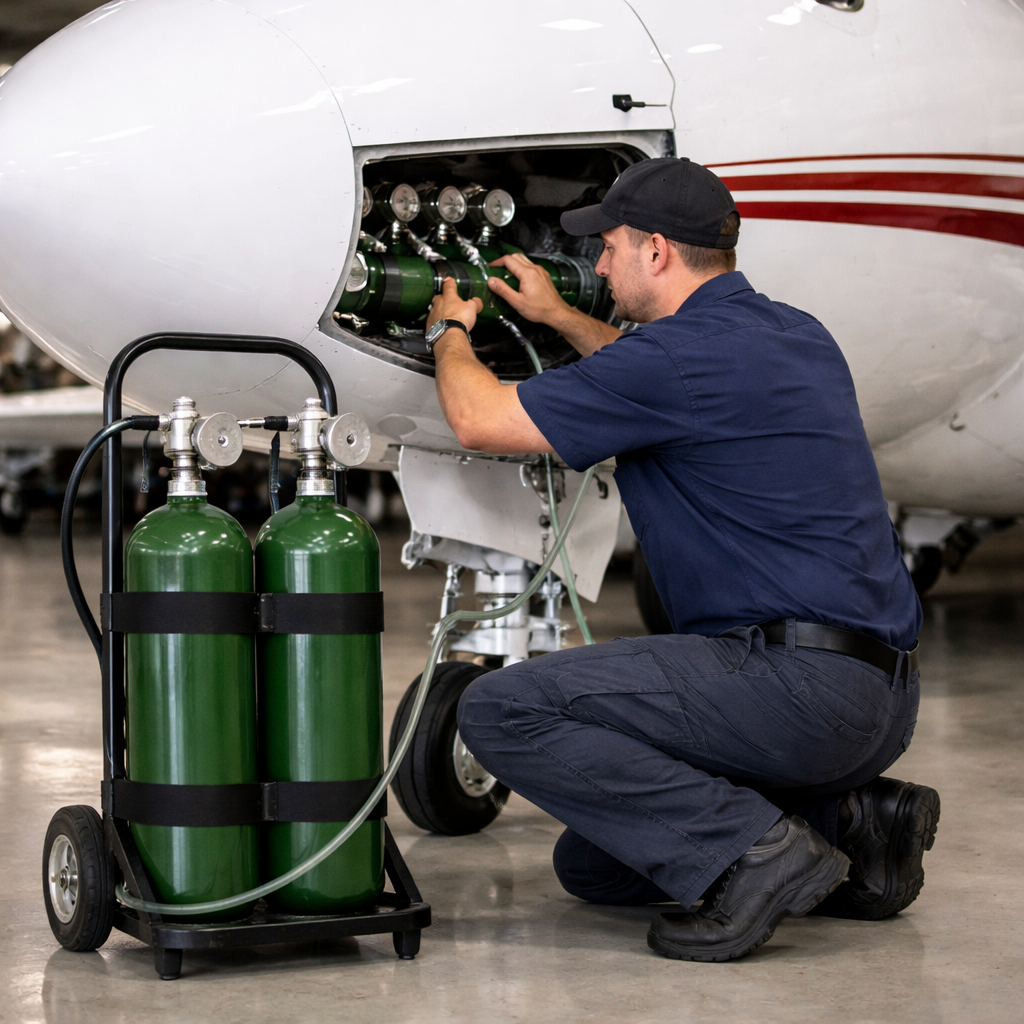
If pilot hiring is constrained by structure, aviation recruitment for maintenance technicians is constrained by time.
Aircraft Maintenance Technicians—AMTs—are produced through a certification pipeline that cannot be rushed. FAA requirements impose a deliberate pace: schooling, testing, certification, and practical experience. The process is measured in years, not quarters.
Compounding this is a demographic reality. A significant portion of the current workforce is approaching retirement, while the incoming pipeline remains insufficient to replace it at scale.
Aviation recruitment strategies that rely on “finding more mechanics” miss the point entirely. The supply is finite in the short term.
This forces a different approach to aviation recruitment—one that emphasizes retention, apprenticeship development, and early pipeline engagement. Employers who treat aviation recruitment for AMTs as a transactional exercise inevitably find themselves competing over an increasingly scarce pool.
Flight Dispatchers — High Responsibility, Limited Visibility
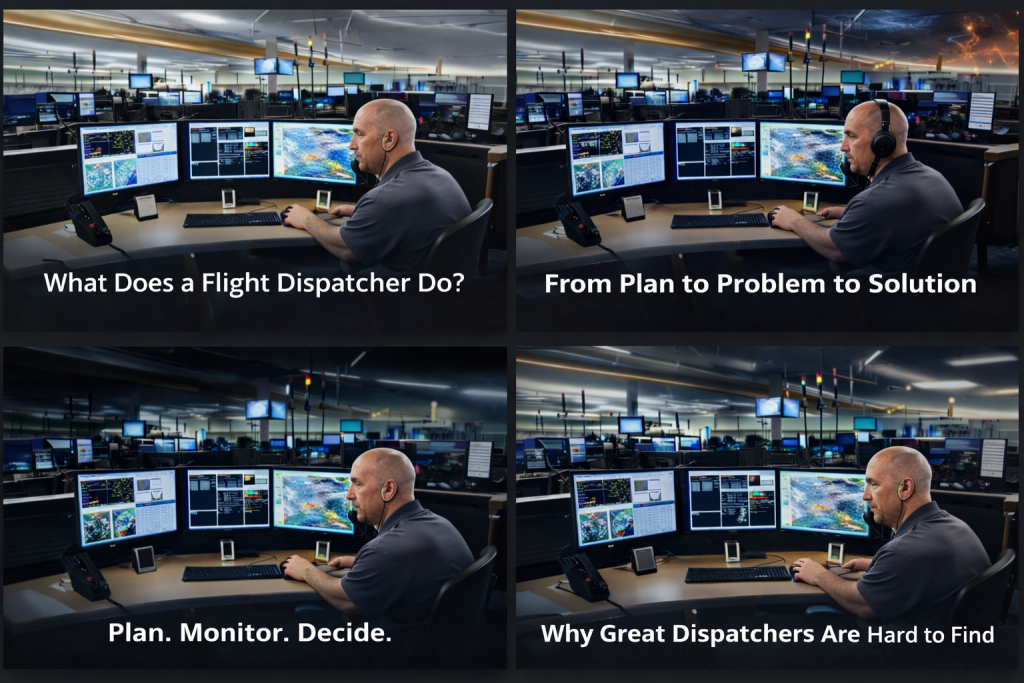
Flight dispatchers occupy a peculiar position within aviation.
They are central to operational safety and efficiency, yet largely invisible outside the industry. This duality creates a unique challenge for aviation recruitment.
The talent pool is smaller by design. Certification requirements, combined with the specialized nature of the role, limit entry. At the same time, public awareness of the profession remains low, which constrains organic interest.
Aviation recruitment for dispatchers is therefore not purely a matter of selection—it is a matter of education.
Organizations must often introduce the role before they can recruit for it. They must articulate the responsibility, the career path, and the long-term viability of the position. Without this narrative, aviation recruitment efforts struggle to generate sufficient candidate flow.
Ground and Support Roles — High Turnover, High Impact
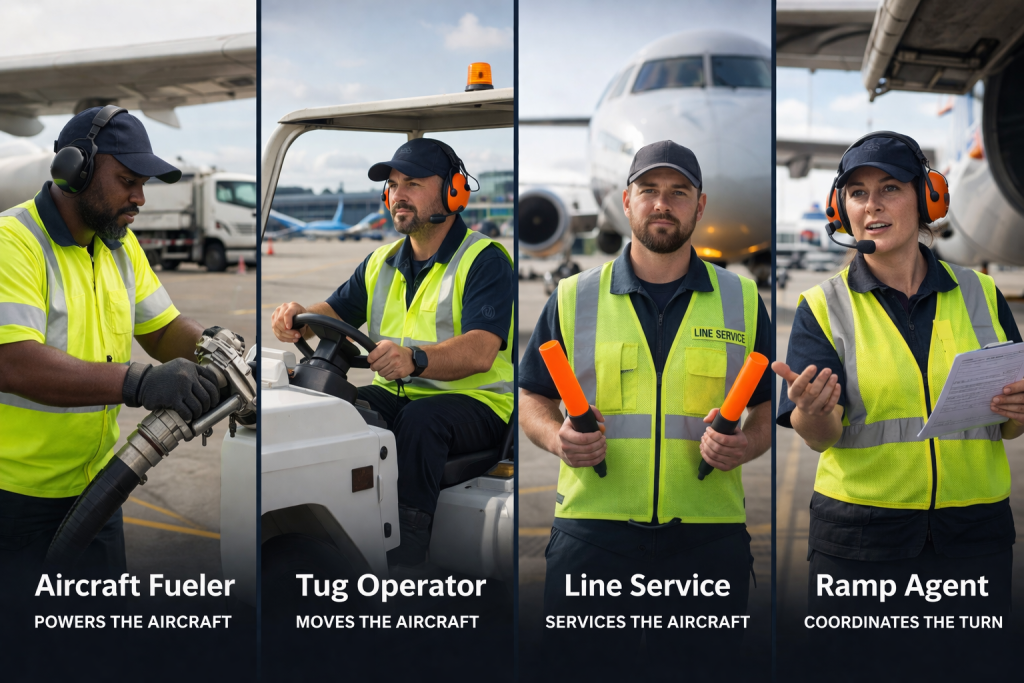
At the opposite end of the spectrum lie ground and support roles—positions often treated as interchangeable, yet operationally indispensable.
These roles typically feature lower barriers to entry, which creates the illusion of abundant supply. In reality, aviation recruitment here is complicated by turnover.
Ramp agents, customer service representatives, and other support staff operate in environments defined by irregular hours, physical demands, and moderate compensation. Attrition is not an anomaly; it is a structural feature.
As a result, aviation recruitment becomes a continuous process rather than a periodic one.
Success in this segment depends less on sourcing candidates and more on designing roles that people choose to stay in. Compensation, scheduling flexibility, and workplace culture become central levers. Without them, aviation recruitment efforts simply feed a revolving door.
The Structural Failure of One-Size-Fits-All Aviation Recruitment
The failure pattern, once seen clearly, is difficult to ignore.
Organizations approach aviation recruitment with a unified strategy—standardized messaging, centralized funnels, uniform expectations—and then wonder why results vary so dramatically across roles.
The answer is embedded in the structure of the workforce itself.
Aviation recruitment is not a single problem to be solved. It is a portfolio of problems, each requiring its own acquisition strategy, its own messaging architecture, and its own timeline assumptions.
The Strategic Implication
The most effective aviation recruitment systems are not built on scale alone.
They are built on segmentation.
They recognize that recruiting a pilot is not the same as recruiting a mechanic. That attracting a dispatcher requires a different narrative than retaining a ramp agent. That each segment responds to different incentives, different risks, and different definitions of value.
🔥 Key Insight
Aviation recruitment fails when companies treat all roles the same.
It succeeds when they design for the differences.
SECTION 3: WHY AVIATION RECRUITMENT IS HARDER THAN EVER
There was a time—not long ago—when aviation recruitment could be treated as a function of rhythm.
Demand would rise. Hiring would follow. Supply, though imperfect, would respond with reasonable elasticity.
That time has passed.
What has replaced it is something more rigid, more structural. Aviation recruitment is no longer reacting to cyclical pressure. It is operating inside systemic constraint—where supply cannot expand quickly, demand refuses to soften, and institutional knowledge is quietly walking out the door.
To understand aviation recruitment today is to understand the forces reshaping it beneath the surface.
The Structural Forces Redefining Aviation Recruitment
Aviation recruitment is being compressed by three converging realities. Each, on its own, would be manageable. Together, they redefine the problem entirely.
The Experience Gap — A Workforce Aging Out of the System



The first pressure point in aviation recruitment is not a shortage of interest. It is a shortage of experience.
Across the industry, senior professionals are exiting at a pace that outstrips replacement. Airline captains reach mandatory retirement. Legacy mechanics, many of whom entered the field decades ago, are stepping away. Leadership—often built through years of operational exposure—is thinning in ways that are not immediately visible on a balance sheet.
Aviation recruitment, in this context, is not simply about filling positions. It is about replacing accumulated judgment.
Experience in aviation is not interchangeable. It is layered—formed through abnormal situations, operational pressure, and time spent inside complex systems. When that experience leaves, it creates a vacuum that cannot be resolved through traditional aviation recruitment pipelines.
The implication is subtle but significant. Aviation recruitment must now account for a widening gap between certification and true competency.
Training Pipeline Constraints — Time as the Unavoidable Limiter
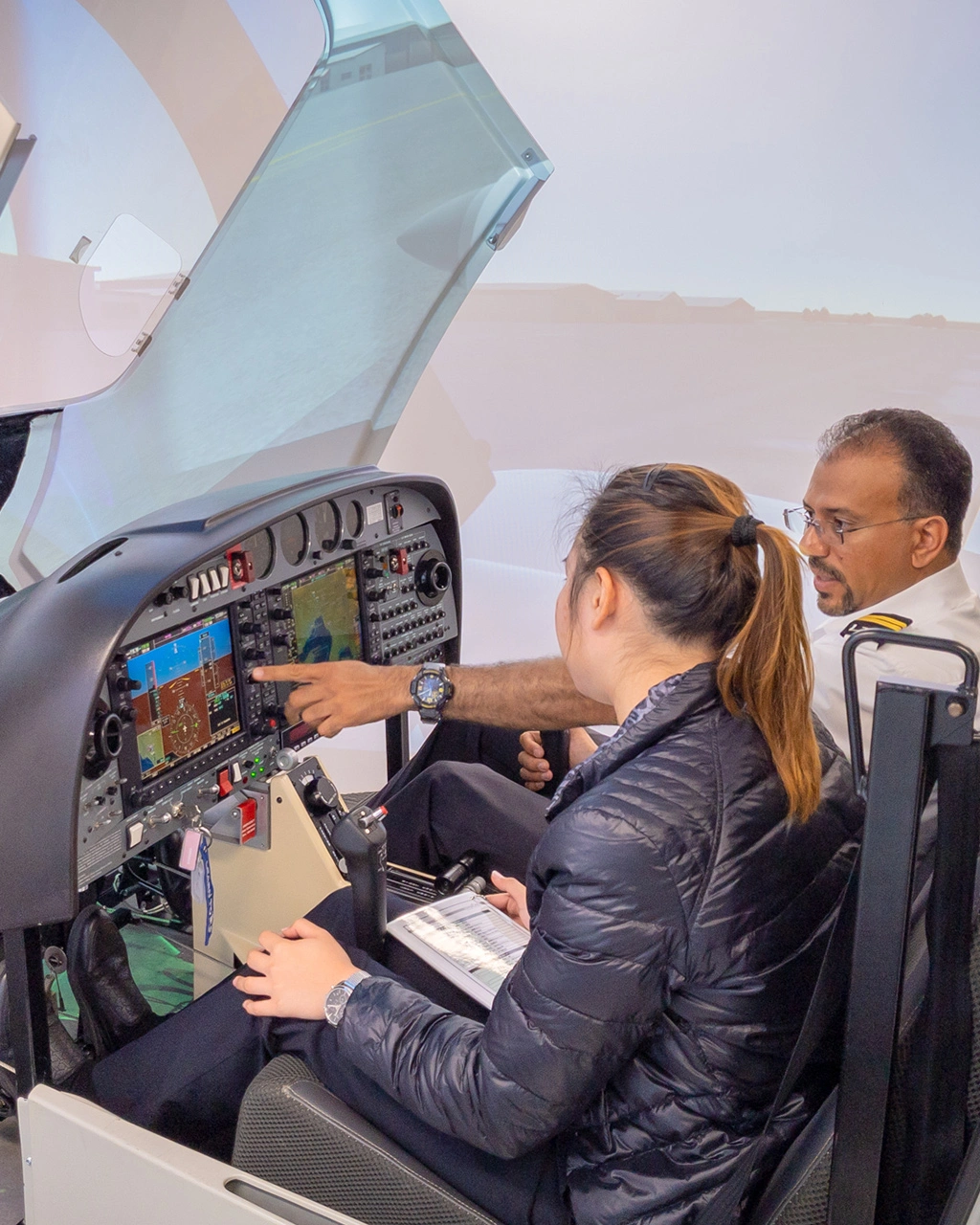


If the experience gap defines the problem, the training pipeline defines the pace at which it can be addressed.
Aviation recruitment operates within a regulatory framework that does not bend to urgency. FAA certification pathways—for pilots, mechanics, and dispatchers—are designed for safety, not speed. And they cannot be meaningfully compressed.
Part 147 schools graduate a finite number of maintenance technicians each year. Flight training remains both time-intensive and financially demanding, limiting entry for many otherwise capable candidates. Even after certification, the path to operational competency extends further—through hours flown, systems learned, and environments experienced.
Aviation recruitment strategies that assume rapid scaling of talent overlook this constraint.
Time-to-competency is measured in years. Not hiring cycles. Not fiscal quarters.
This creates a lagging system in which aviation recruitment demand can surge quickly, but supply responds slowly, if at all. The result is persistent pressure—felt most acutely in roles that require both certification and experience.
Demand Outpacing Supply — Growth Without Relief



Overlay these constraints with demand, and the picture sharpens.
Passenger traffic continues its upward trajectory, driven by both economic recovery and long-term global mobility trends. Airlines expand fleets to meet that demand. Business aviation, once cyclical, has demonstrated sustained growth, fueled by shifts in travel preference and access to capital.
Each of these trends feeds directly into aviation recruitment.
More aircraft require more pilots, more maintenance support, more dispatch coordination, more ground personnel. Yet the underlying supply mechanisms remain unchanged—bounded by certification timelines, training capacity, and workforce demographics.
Aviation recruitment, in this environment, becomes a zero-sum competition.
Organizations are not simply hiring from a growing pool. They are competing over a constrained one.
From HR Function to Strategic Imperative
The conclusion, once these forces are understood, is unavoidable.
Aviation recruitment is no longer an administrative task delegated to HR.
It is a strategic function—one that sits alongside operations, finance, and long-term planning.
The Strategic Reframe
The companies that continue to treat aviation recruitment as a transactional activity—post the job, review the resumes, extend the offer—will find themselves perpetually behind.
Because the problem has changed.
Aviation recruitment now requires forward positioning. Pipeline development. Employer differentiation. Retention architecture. Compensation benchmarking that reflects not just market rates, but market scarcity.
It requires, in short, a shift in posture.
🔥 Key Insight
Aviation recruitment is no longer about filling roles.
It is about competing for capability in a system that cannot produce it fast enough.
SECTION 4: THE AVIATION RECRUITMENT FUNNEL (THIS IS WHERE YOU WIN OR LOSE)
There is a moment—quiet, almost invisible—when a candidate decides not to apply.
No rejection email is sent. No interview is declined. No conversation begins.
They simply move on.
This is where aviation recruitment is most often lost.
Not at the offer stage. Not in the interview. But long before the organization realizes a candidate ever existed.
Most operators, when they think about aviation recruitment, focus almost exclusively on the bottom of the funnel: the job posting, the resume review, the hiring decision. It feels tangible. Measurable. Contained.
It is also too late.
By the time a candidate reaches that stage, the real work of aviation recruitment has already been decided—either in your favor, or against it.
The Aviation Recruitment Funnel Most Companies Ignore
Aviation recruitment is not a single transaction. It is a progression—one that begins well before a job is posted and extends far beyond the first day of employment.
The organizations that consistently outperform in aviation recruitment understand this. They build systems, not postings.
Awareness — The Quiet First Impression

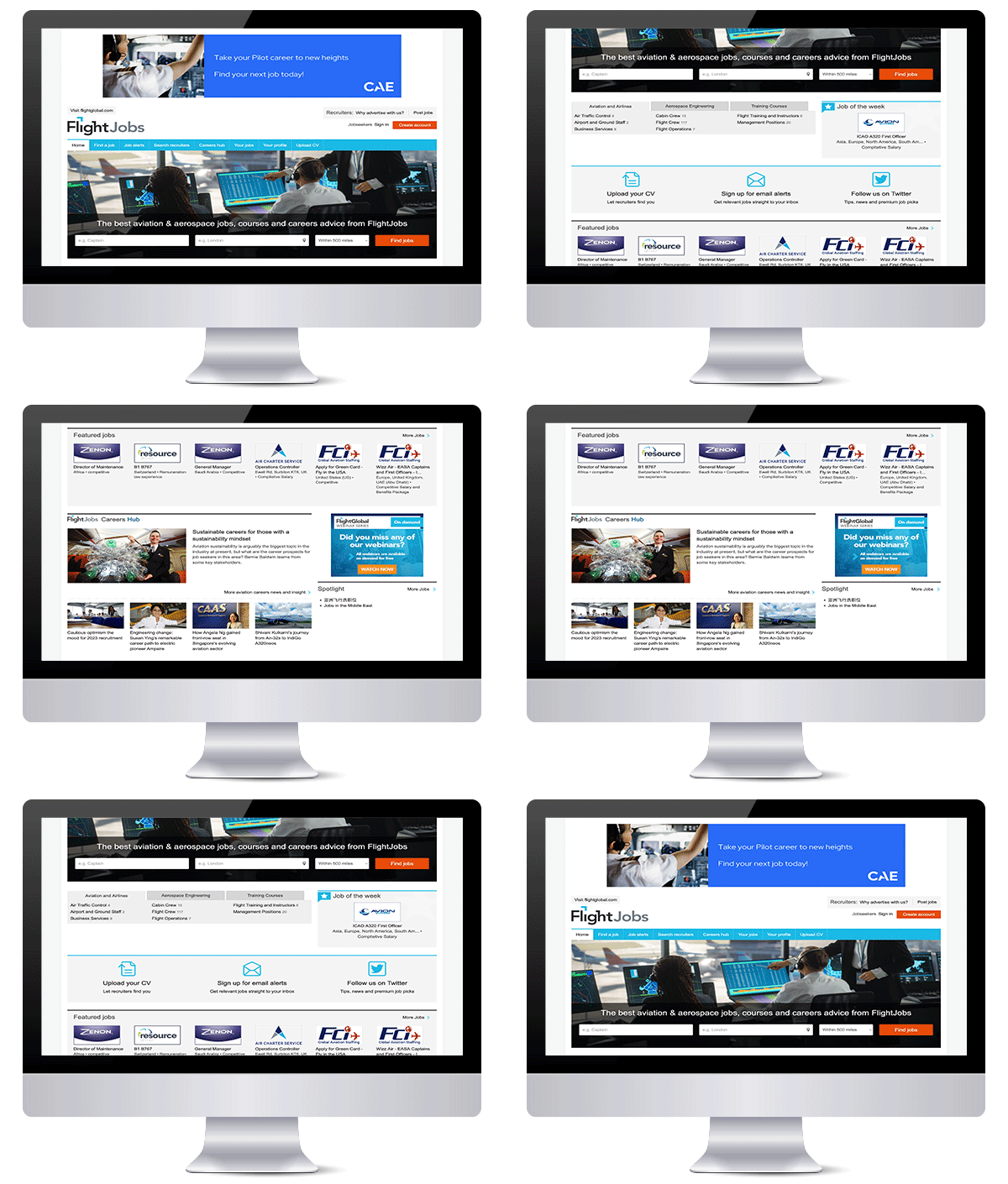

The funnel begins where most companies are absent.
Awareness in aviation recruitment is not about advertising in the traditional sense. It is about presence—being known, understood, and credible before a hiring need becomes urgent.
Pilots talk. Mechanics compare employers. Dispatchers share experiences in smaller, tightly connected networks. Reputation travels faster than any job listing.
Aviation recruitment at this stage is shaped by employer brand, industry visibility, and content footprint. What does your organization stand for? How are you perceived when no one is actively recruiting?
If the answer is unclear, aviation recruitment begins at a deficit.
H3: Interest — Where Curiosity Becomes Evaluation



Interest is the stage where passive awareness turns into active consideration.
A candidate, having heard of you, begins to look closer. They visit your careers page. They search for compensation ranges. They try to understand what it would feel like to work inside your operation.
This is where aviation recruitment often falters.
Vague job descriptions. Opaque compensation. Generic language about “great culture” without evidence. These are not neutral signals—they are negative ones.
Aviation recruitment succeeds here when information is clear, specific, and credible. Compensation ranges are defined. Schedules are described honestly. Culture is demonstrated, not claimed.
Clarity builds momentum. Ambiguity kills it.
Consideration — The Candidate Experience Becomes the Brand


By the time a candidate applies, they are already leaning in.
Now aviation recruitment becomes experiential.
How long does it take to receive a response? Is communication consistent? Does the interview process feel structured, respectful, and aligned with the role?
Speed matters here—not as a convenience, but as a signal.
Delayed responses suggest disorganization. Disjointed interviews suggest misalignment. A poor experience at this stage reflects, in the candidate’s mind, the broader operation.
Aviation recruitment, in this phase, is no longer about marketing. It is about execution.
Decision — Where Competitive Reality Becomes Clear

The decision stage is where many organizations believe aviation recruitment is won or lost.
In truth, it is where earlier impressions are confirmed.
Offer competitiveness matters—compensation, benefits, schedule, and long-term trajectory all converge here. But equally important is timeline efficiency. Delays introduce doubt. Uncertainty invites competing offers.
Aviation recruitment at this stage is a race against hesitation.
The best candidates are rarely waiting. They are choosing.
Retention — The Overlooked Half of Aviation Recruitment

Retention is often treated as a separate discipline.
It is not.
In aviation recruitment, retention is the continuation of the funnel. The first twelve months define whether the investment in hiring produces stability—or resets the cycle.
New hires evaluate quickly. Does the role match expectations? Is there a visible path forward? Are they integrated into the culture, or left on the periphery?
Upgrade pathways, mentorship, and leadership communication all play a role here. Without them, aviation recruitment becomes a loop—hire, lose, replace.
And each cycle becomes more expensive.
Where Aviation Recruitment Actually Breaks
The pattern, once visible, is difficult to ignore.
Organizations focus on the bottom of the funnel because it feels controllable. Post the job. Screen the resumes. Extend the offer.
But aviation recruitment is not lost at the bottom.
It is lost in the absence of awareness. In unclear positioning. In slow communication. In mismatched expectations.
The Funnel Reality
🔥 Truth
Most aviation companies lose candidates before they ever apply.
They are filtered out by perception, by ambiguity, or by silence—long before a resume is ever submitted.
Conversion Is Not an Event — It Is a System
The implication is straightforward.
Aviation recruitment must be engineered as a system, not executed as a task.
Each stage of the funnel must be intentional, measurable, and aligned. Awareness feeds interest. Interest drives consideration. Consideration shapes decision. Decision determines retention.
Break any link, and the system degrades.
Conversion Integration
👉 Struggling to attract qualified applicants?
List your opportunity where aviation professionals are already looking → Aviation Employment Network
Because effective aviation recruitment does not begin when you need people.
It begins where they are already paying attention.
SECTION 5: HOW TO RECRUIT PILOTS (AIRLINE, CORPORATE, PART 135)
There is a particular mistake that repeats itself in aviation, quiet and persistent.
It begins with a job description.
Hours required. Certificates listed. Compensation outlined with careful restraint. A familiar tone—professional, compliant, indistinguishable from a dozen others.
And then, silence.
No applications worth pursuing. Or worse, applications that look adequate on paper but never convert into long-term hires.
The assumption, usually unspoken, is that something is wrong with the market.
It rarely is.
The issue is more specific. Pilot recruitment is not a generic hiring exercise. It is a distinct discipline—one that operates on signals that are often invisible to those outside the cockpit.
What Pilots Actually Evaluate (And What Companies Miss)


Pilots do not evaluate opportunities the way most companies expect.
They do not begin with salary.
They begin with their life.
Schedule predictability sits near the top—because it governs everything else. Not simply days off, but the reliability of those days. The ability to plan. To be present. To avoid the slow erosion that comes from perpetual uncertainty.
Quality of life follows closely behind, though it is often misunderstood. It is not a slogan. It is a composite: duty days, commute burden, hotel standards, management culture, fatigue posture. It is the difference between a career that is sustainable and one that quietly consumes.
Then there is progression.
Upgrade timelines matter—not as ambition alone, but as trajectory. A pilot wants to know where this path leads, and how long it takes to get there. Stagnation, more than workload, is what drives movement.
Aircraft type enters the equation as well. Not for vanity, as it is sometimes dismissed, but for relevance. Certain platforms open doors. Others narrow them.
And then, finally, base location.
Where the airplane lives determines where the pilot lives—or how often they must leave it.
Compensation matters. Of course it does.
But in pilot recruitment, compensation is rarely the deciding factor on its own. It is one variable inside a larger calculation—one that is deeply personal, and often non-negotiable.
Two Worlds — Airline and Corporate Hiring

To speak of pilot recruitment as a single practice is to ignore the divide that shapes it.
Airline hiring and corporate (including Part 135) hiring operate under fundamentally different logics.
Airlines — Structure, Predictability, Scale
Airlines offer something that is increasingly rare in aviation: a system.
There is a defined pipeline. Entry is competitive, but once inside, progression follows a pattern. Seniority governs movement. Pay scales are transparent. Schedules, while imperfect, are governed by contract.
Pilot recruitment in this environment is about access.
Candidates are evaluating entry points, class dates, and long-term positioning within a system they understand. The question is not what is this job? but where will this job place me in ten years?
Corporate and Part 135 — Variability, Relationships, and Reality
Corporate aviation—and much of Part 135—offers something different.
Not a system, but an experience.
Schedules can be better—or worse. Compensation can be competitive—or opaque. Management can be exceptional—or inconsistent. The range is wide, and pilots know it.
As a result, pilot recruitment in this space is not driven by process alone. It is driven by trust.
Who runs the operation? How do they treat their crews? What happens when something goes wrong?
These are not questions answered in a job posting.
They are answered through reputation, through conversation, through signals that accumulate over time.
Pilot recruitment here is less transactional, more relational. And for operators who understand this, it becomes an advantage.
The Misalignment That Undermines Pilot Recruitment
The failure pattern is familiar.
Companies describe the job.
Pilots evaluate the life.
The two do not meet.
A posting that lists duties and requirements, but says nothing about schedule stability, upgrade potential, or day-to-day reality, leaves the most important questions unanswered.
And unanswered questions do not attract experienced pilots.
They repel them.
The Strategic Shift
🔥 Winning Strategy
Sell the lifestyle, not just the job.
Aviation Employment Network
Describe the schedule as it is actually lived. Explain the upgrade path in concrete terms. Acknowledge the tradeoffs where they exist. Clarity, even when imperfect, builds credibility.
Pilot recruitment improves not when the message is polished, but when it is honest.
Because pilots are not looking for a promise.
They are looking for a match.
Where the Right Pilots Are Already Looking
The final mistake is perhaps the simplest.
Even when the message is right, it is often placed in the wrong environment.
Pilot recruitment depends not only on what is said, but where it is seen. Visibility inside the right channels—where qualified pilots are already paying attention—determines whether an opportunity is considered at all.
👉 Post a pilot job today and reach qualified candidates → Aviation Employment Network
Because effective pilot recruitment does not begin with the posting.
It begins with understanding how pilots decide.
SECTION 6: HOW TO HIRE AIRCRAFT MAINTENANCE TECHNICIANS (AMTs)
This is where the pressure concentrates.
Not gradually. Not abstractly.
Immediately.
Aircraft Maintenance Technicians sit at the center of operational reality. Aircraft do not dispatch without them. Schedules do not recover without them. Growth does not occur without them.
And yet, aviation recruitment for AMTs is constrained in ways that are both structural and unforgiving.
The Mechanic Shortage Reality

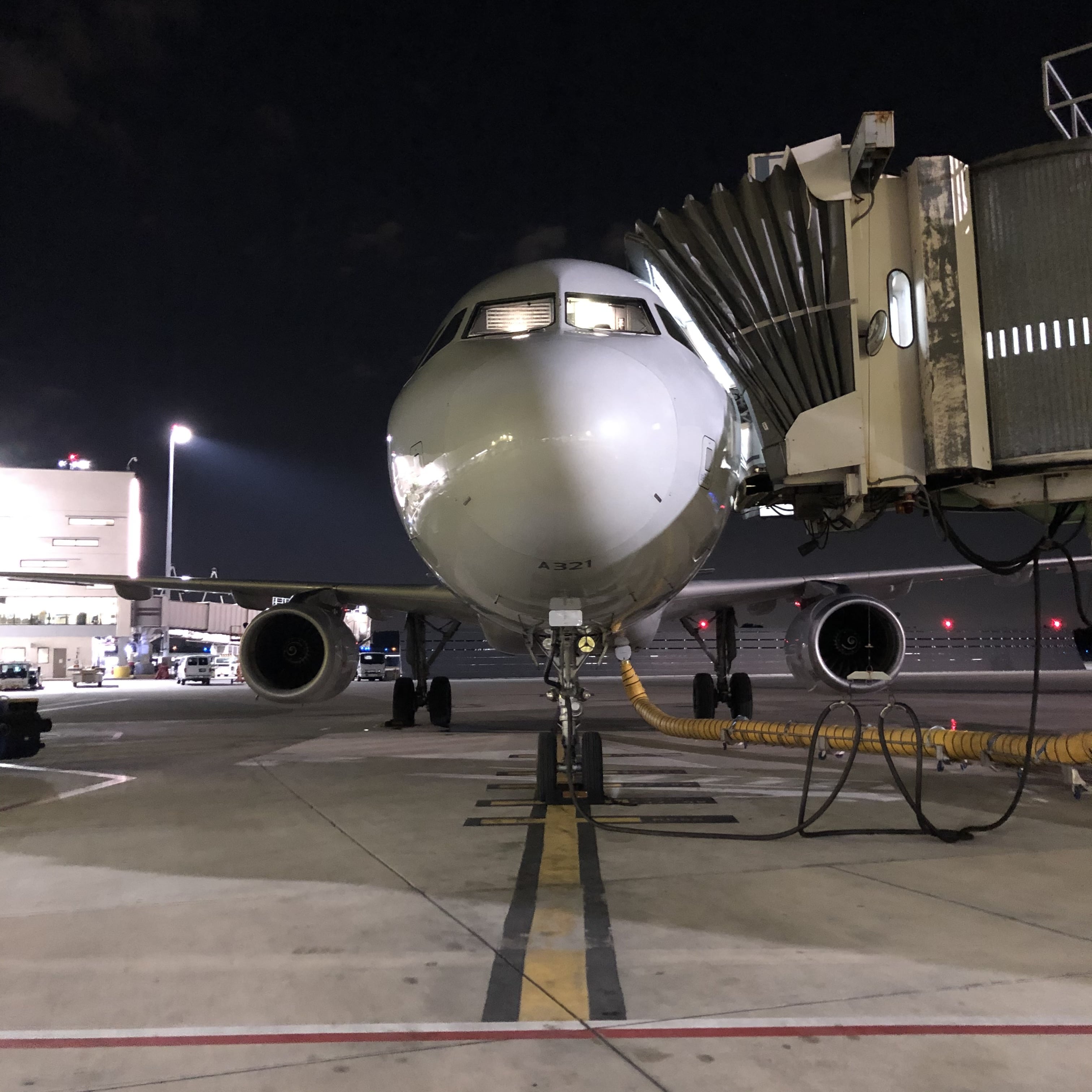

The imbalance is not subtle.
Demand exceeds supply—and has for some time.
Aviation recruitment in this segment is shaped by three fixed constraints:
- Demand consistently outpaces supply
Fleet growth, increased utilization, and aging aircraft all require more maintenance hours. - Certification is mandatory
FAA A&P certification creates a hard barrier to entry. No shortcuts. No workarounds. - Experience carries disproportionate weight
Not all certified technicians are equal. Operators compete aggressively for those with real-world troubleshooting depth and platform familiarity.
The result is a labor market that does not respond to conventional hiring pressure.
Posting more jobs does not create more mechanics.
What AMTs Actually Value


Aviation recruitment for AMTs improves the moment companies align with what technicians actually prioritize.
Not what is assumed.
- Compensation (Top Driver)
Unlike some other aviation roles, compensation sits at the center of decision-making. The market is competitive, and technicians know their value. - Schedule Stability
Shift work is expected. Chaos is not. Predictable rotations and reasonable overtime expectations carry significant weight. - Work Environment
Tools, facilities, and operational tempo matter. A well-run hangar signals professionalism. A disorganized one signals risk. - Management Respect
Technicians evaluate leadership quickly. Are they supported? Listened to? Or treated as interchangeable labor?
Aviation recruitment fails here when messaging ignores these realities—or attempts to substitute them with generic language.
Where Aviation Recruitment Breaks for AMTs
The pattern is consistent.
Operators enter the market with urgency. They post openings. They increase signing bonuses. They wait.
But aviation recruitment for AMTs is not a late-stage activity.
By the time a requisition is open, the most qualified technicians are already employed—and often not actively looking.
This shifts the problem.
Aviation recruitment becomes less about attraction in the moment, and more about positioning over time.
Tactical Advantage — How Leading Operators Compete


The companies that consistently succeed in aviation recruitment for AMTs do not rely on a single lever.
They build advantage upstream.
- Recruit from schools early
Establish relationships with Part 147 programs. Engage students before certification. Build familiarity before competition begins. - Offer relocation support
Geography limits candidate flow. Removing that friction expands the available pool immediately. - Provide clear advancement pathways
Technicians want to see progression—lead roles, inspection authorization (IA), specialized training. Without it, retention erodes.
These are not enhancements.
They are differentiators.
The Strategic Reality
🔥 Tactical Advantage
Aviation recruitment for AMTs is not won at the job posting.
It is won in pipeline development, compensation alignment, and operational credibility.
Conversion Integration
👉 Access certified A&P candidates → Aviation Employment Network
Because in this segment of aviation recruitment, the question is not whether you are hiring.
It is whether you are positioned to compete.
SECTION 7: AVIATION RECRUITMENT CHANNELS (WHERE THE TALENT IS)
There is a tendency, in aviation hiring conversations, to speak of “posting the job” as though it were an act sufficient unto itself.
A requisition is written. A listing goes live. The system, it is assumed, will do the rest.
But aviation recruitment does not operate on visibility alone. It operates on proximity—on how close your opportunity sits to the attention of the right people at the right moment.
And attention, in this industry, is not evenly distributed.
It is fragmented across channels. Some transactional. Some relational. Some quietly influential in ways that are not immediately measurable.
To understand aviation recruitment is to understand where talent actually resides—and how it moves.
The Aviation Recruitment Channels That Actually Produce Results
Not all channels are equal.
Some deliver speed. Others deliver quality. A few deliver both—but only when used with intention.
Aviation Job Boards — High Intent, Immediate Visibility
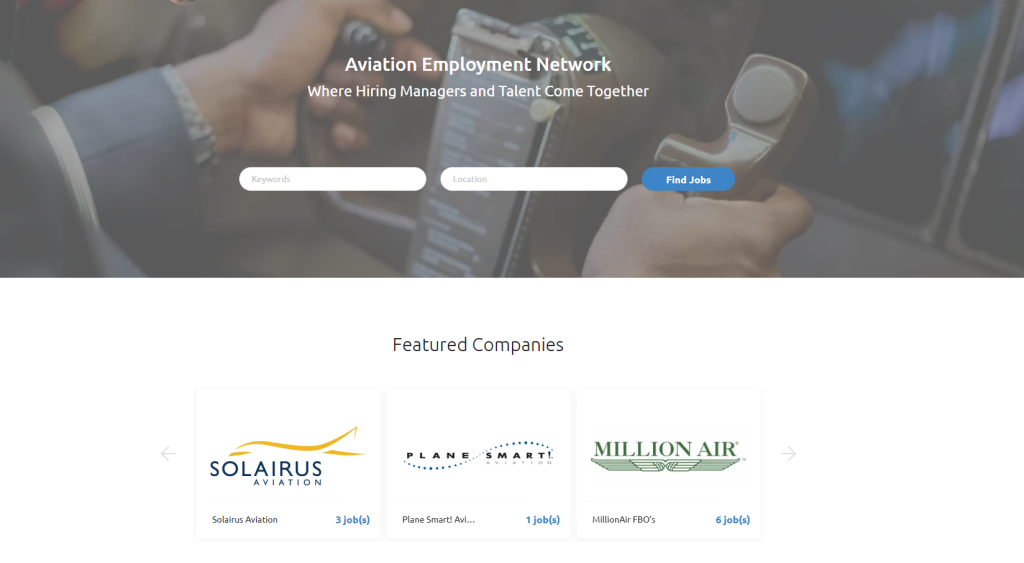
Aviation job boards occupy the most visible layer of aviation recruitment.
They are where active candidates go—those who have already made a decision to move, or are actively exploring options. The intent is high. The timeline is short.
For operators, the appeal is obvious.
Job boards provide immediate exposure. They compress time. They create inbound flow without the need for extended cultivation. In terms of return on speed, few channels compete.
But aviation recruitment at this level comes with a limitation.
You are seeing only the candidates who are looking.
And in aviation, that is often the smaller portion of the market.
Passive Talent Networks — The Invisible Majority

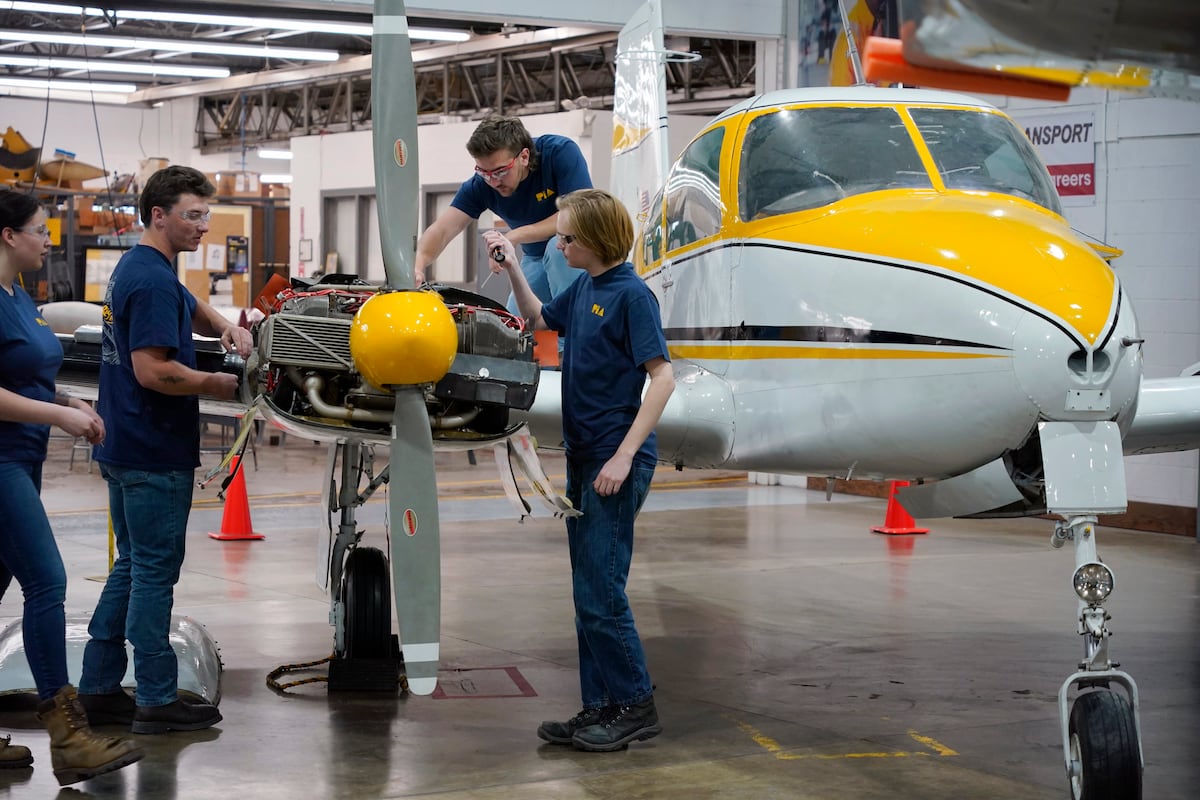

Beyond the job boards sits a quieter layer—the passive network.
These are the pilots who are not applying. The senior mechanics who are not browsing listings. The professionals who are, by most external measures, stable.
And yet, they are not immovable.
They are listening.
Aviation recruitment in this space is not driven by postings. It is driven by access and credibility. Conversations. Introductions. Reputation within tight-knit communities where word travels quickly and selectively.
This is where many of the highest-quality hires originate.
Not because they were searching—but because the right opportunity reached them.
Training Pipelines — The Long View
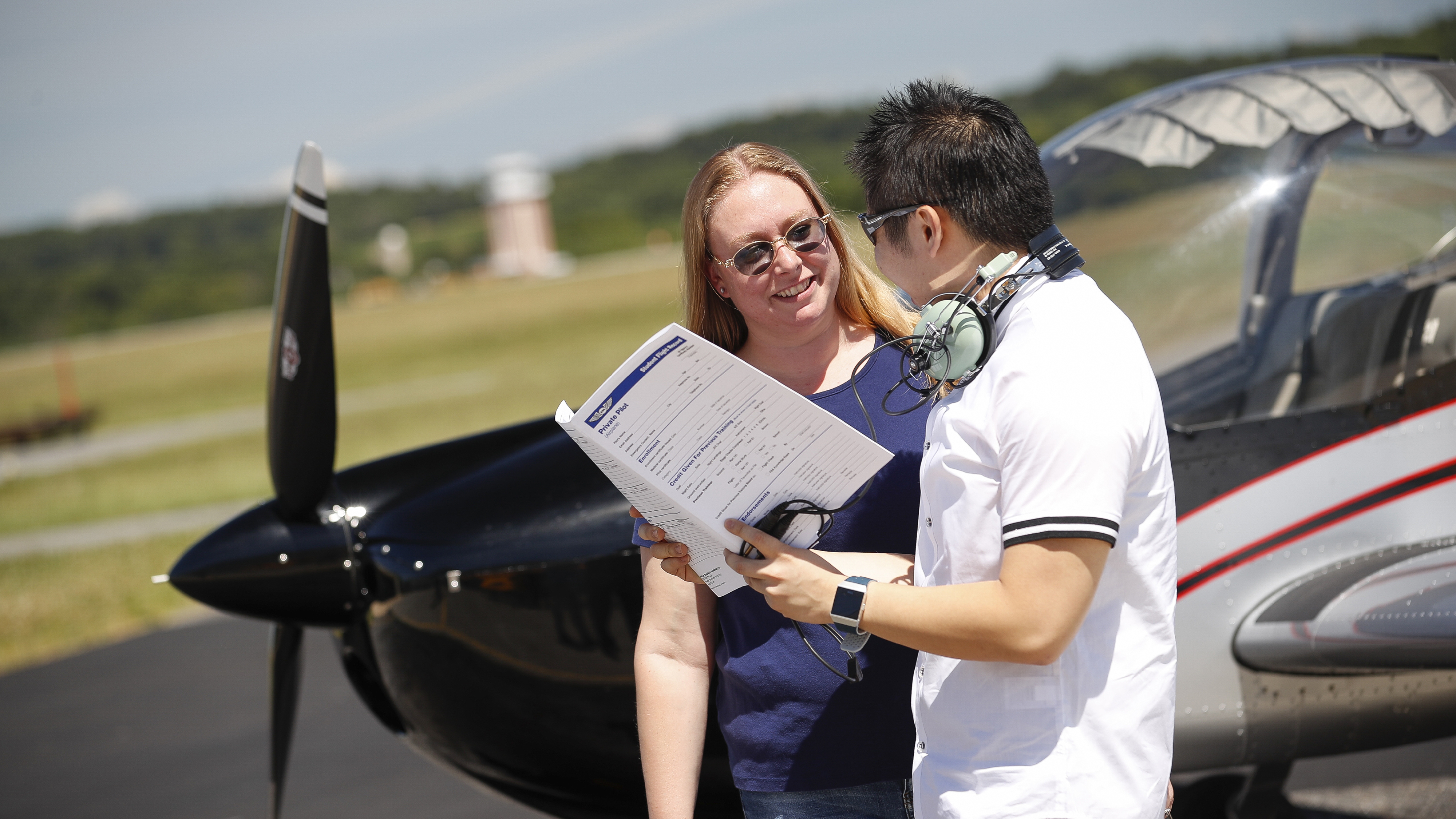
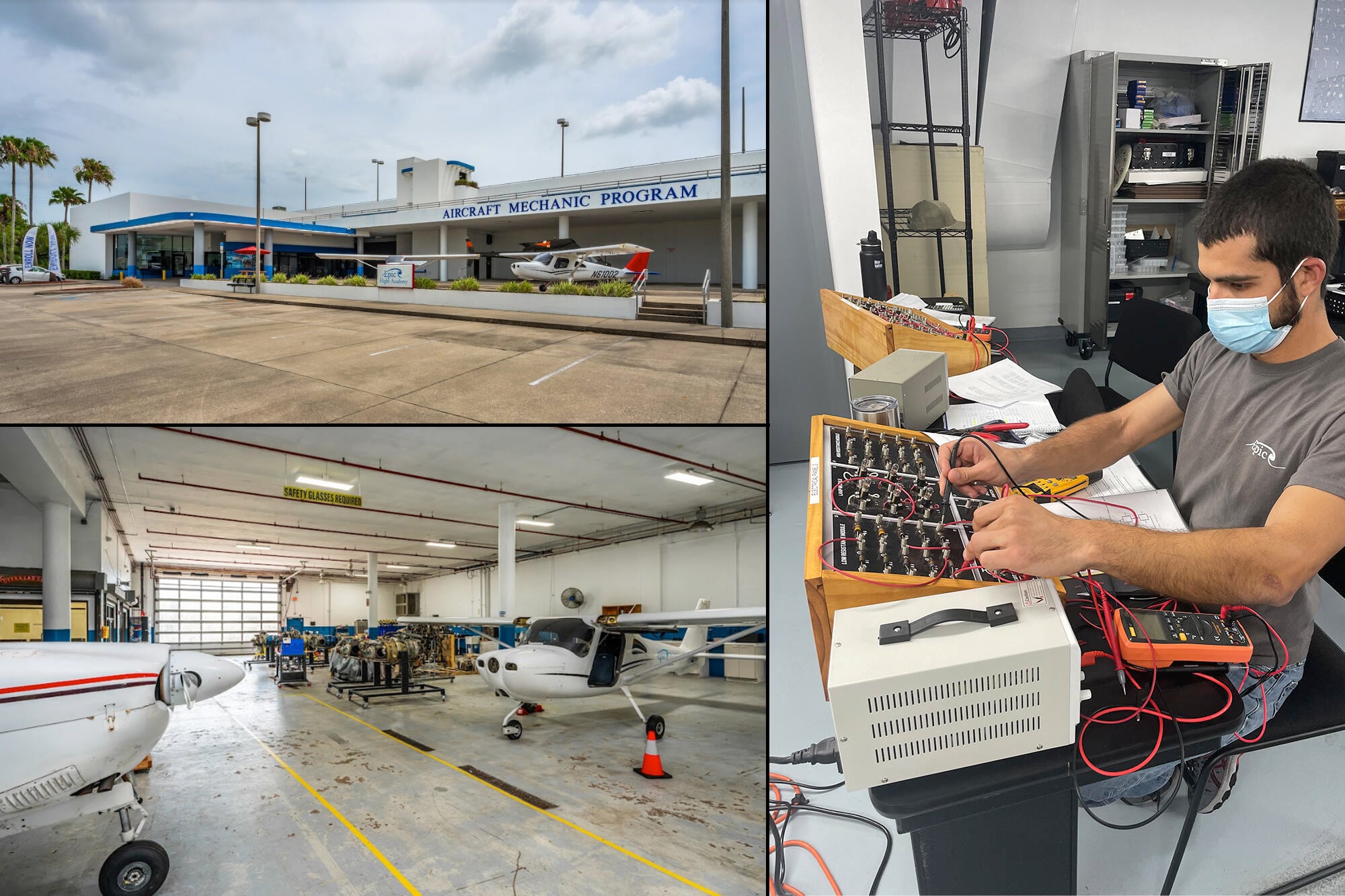
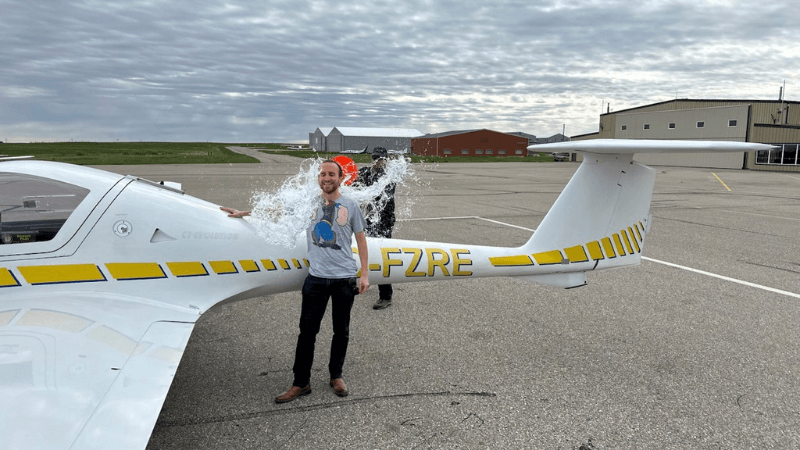
If passive networks represent the present, training pipelines represent the future.
Flight schools. Part 147 maintenance programs. Dispatcher training academies. These are not immediate solutions to staffing gaps—but they are the only sustainable answer to them.
Aviation recruitment that ignores this channel becomes reactive by default.
Because the pipeline does not respond quickly. Relationships must be built early. Visibility must be established before candidates reach the market. Trust must exist before competition begins.
Operators who invest here are not simply recruiting.
They are shaping supply.
Referrals — The Highest Signal Channel
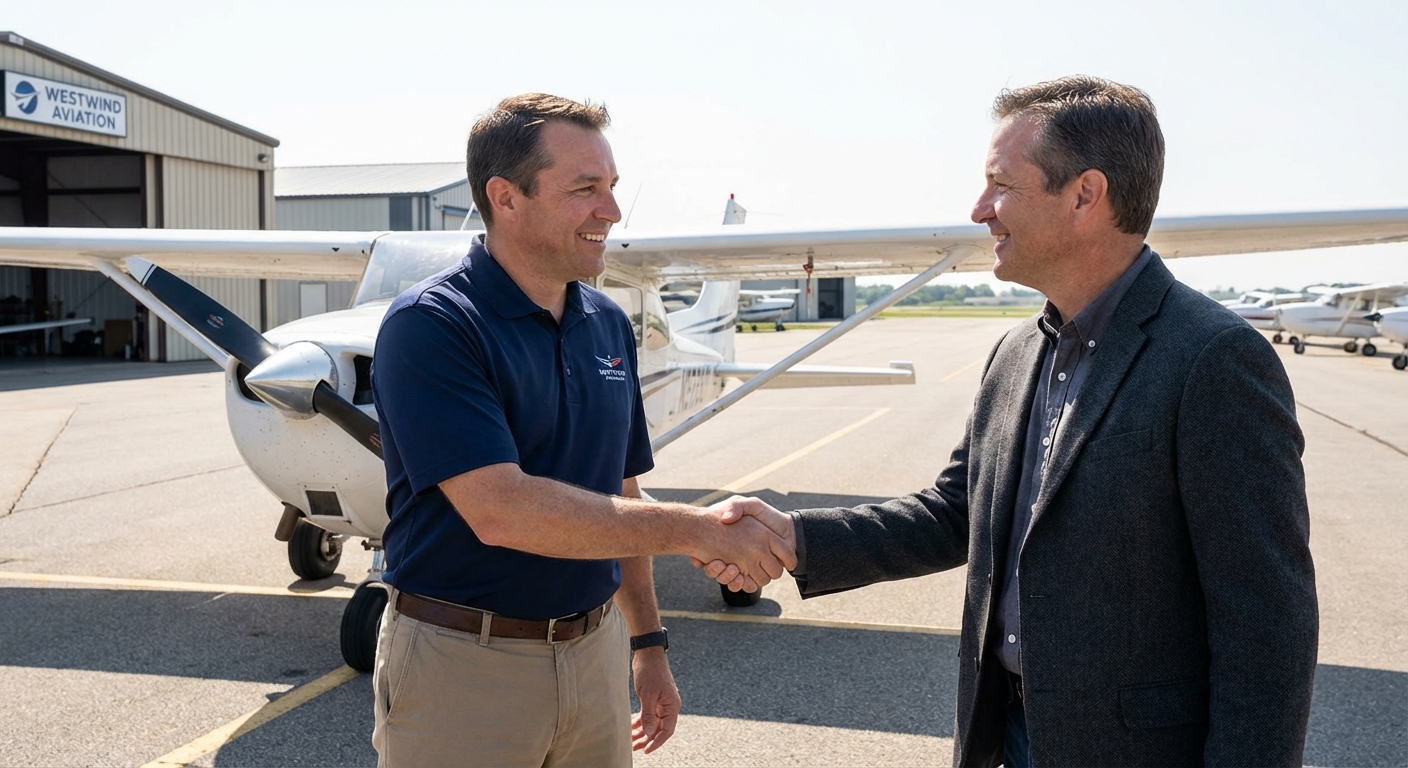


Referrals remain, quietly, the most reliable channel in aviation recruitment.
They carry built-in validation. They reduce uncertainty. They shorten the evaluation cycle on both sides.
A pilot does not recommend another pilot lightly. A technician does not stake their reputation on an unknown quantity.
As a result, referral hires tend to perform better—and stay longer.
And yet, many organizations treat referrals as incidental rather than intentional.
Structured referral programs, when designed properly, transform aviation recruitment from external search to internal amplification.
Community Platforms — Where Attention Actually Lives



There is a newer layer in aviation recruitment—one that does not always appear on traditional hiring maps.
Community platforms.
Private networks. Membership groups. Niche forums where pilots, mechanics, dispatchers, and operators gather not to be recruited, but to exchange information. To compare experiences. To ask questions that would not be asked publicly.
This is where attention lives when it is not actively searching.
And attention, in aviation recruitment, is the precursor to movement.
Inside these communities, reputations are formed in real time. Operators are discussed candidly. Opportunities are shared informally, often before they ever reach a job board.
Aviation recruitment that engages here—carefully, credibly, without overt intrusion—gains access to a layer of the market that is otherwise difficult to reach.
It is not about posting.
It is about participation.
The Channel Misalignment Problem
The failure pattern is subtle.
Organizations concentrate their aviation recruitment efforts in the most visible channels—job boards, career pages—and underinvest in the less visible ones.
The result is imbalance.
Too much reliance on active candidates. Too little access to passive ones. No presence in the spaces where long-term influence is built.
The Strategic Insight
🔥 Strategic Insight
The best candidates are rarely actively applying.
They are already employed. Already competent. Already embedded in the industry.
Aviation recruitment succeeds when it reaches them anyway.
Building a Multi-Channel Aviation Recruitment System
The implication is not to abandon one channel for another.
It is to build a system.
Job boards for speed.
Passive networks for quality.
Training pipelines for sustainability.
Referrals for reliability.
Community platforms for access and influence.
Each channel serves a different function. Together, they define reach.
And in aviation recruitment, reach—properly understood—is not about how many people see your opportunity.
It is about whether the right ones do.
SECTION 8: AVIATION RECRUITMENT METRICS (WHAT YOU MUST TRACK)
There is a point in every hiring organization where effort begins to blur into motion.
Roles are posted. Candidates move through the pipeline. Interviews are conducted, offers extended, classes filled. Activity, in other words, is not the problem.
Clarity is.
Aviation recruitment, when left unmeasured, has a way of feeling productive while quietly drifting off course. Delays are rationalized. Costs are absorbed. Turnover is explained away as inevitable.
But aviation, as an industry, has never tolerated imprecision for long.
And neither does effective aviation recruitment.
Why Measurement Defines Control in Aviation Recruitment
To measure is not merely to observe.
It is to impose discipline on a system that would otherwise default to assumption.
Aviation recruitment is no different than flight operations in this respect. Without instrumentation, you are left to perception. And perception, particularly under pressure, is unreliable.
The organizations that lead in aviation recruitment do not simply hire more.
They understand what is happening inside their hiring system—where it accelerates, where it stalls, and where it fails.
Core Aviation Recruitment Metrics
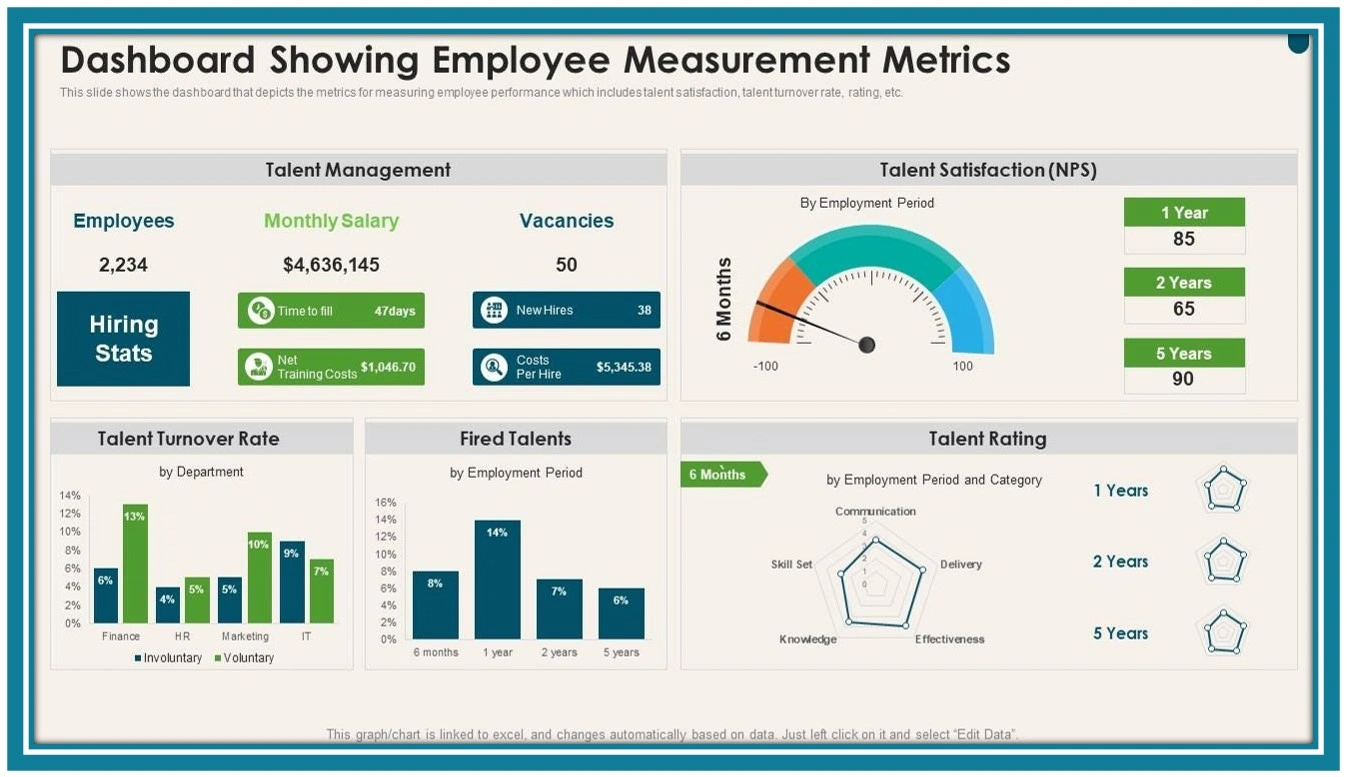
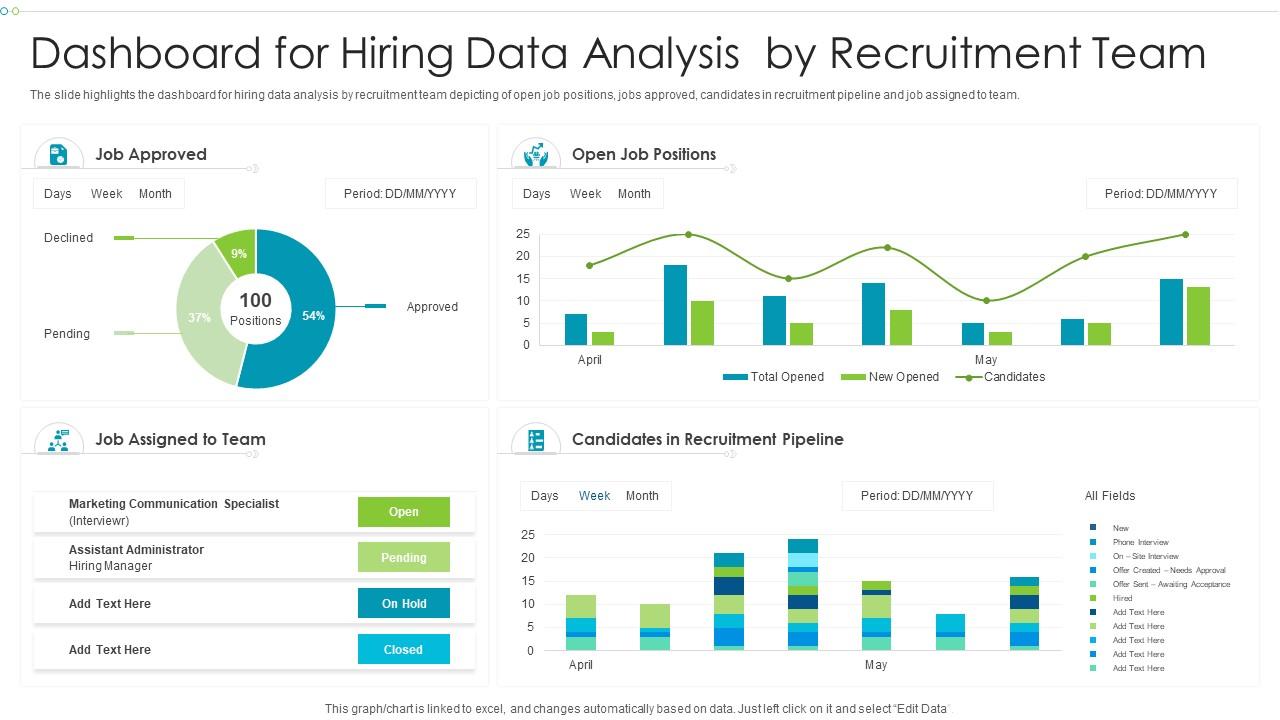
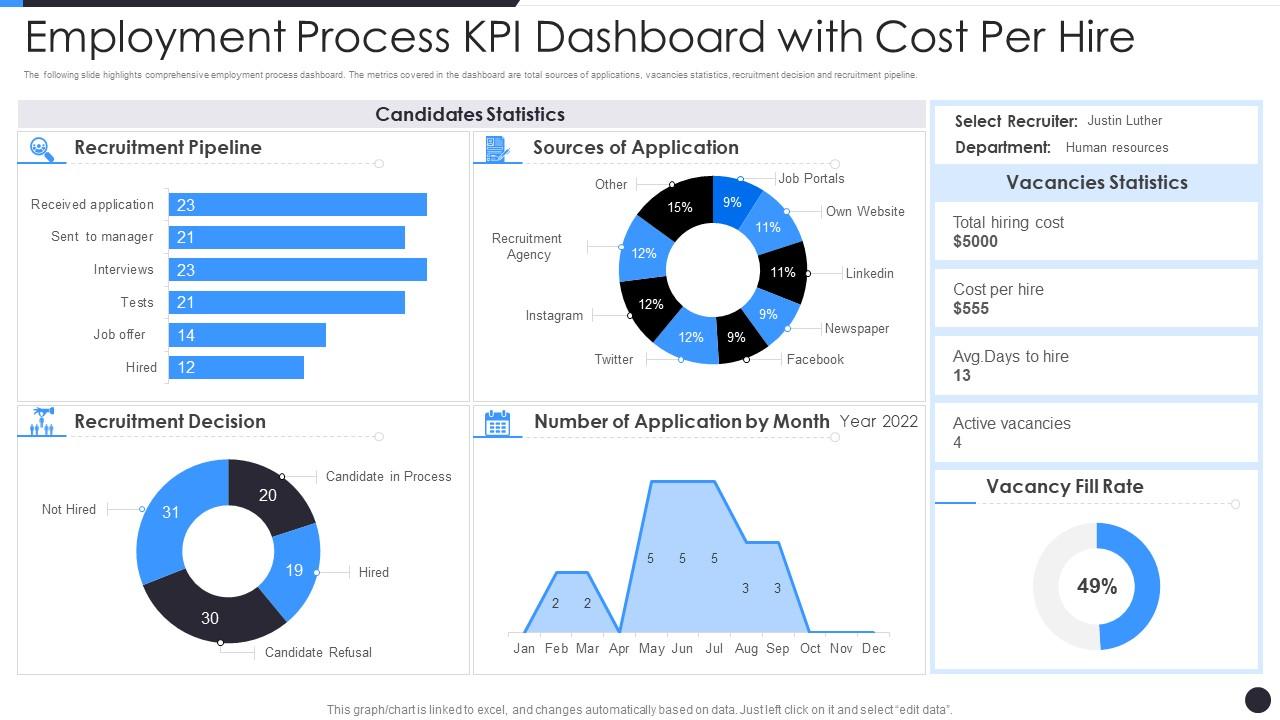
The foundation of aviation recruitment measurement rests on a small set of core metrics.
They are not complex. But they are revealing.
- Time to Fill
How long does it take to move from requisition to accepted offer?
In aviation recruitment, extended timelines are rarely neutral. They indicate friction—either in sourcing, process, or decision-making speed. - Cost per Hire
The total investment required to secure a candidate.
This includes advertising, recruiter effort, relocation, and onboarding. Without visibility here, aviation recruitment can quietly become inefficient at scale. - Applicant Quality Ratio
Of the total applicants, how many are actually qualified?
This metric exposes channel effectiveness. High volume with low quality is not progress—it is noise. - Offer Acceptance Rate
How often do candidates say yes?
A low acceptance rate signals misalignment—compensation, expectations, timing, or reputation. - 12-Month Retention
Do hires stay?
Aviation recruitment is not validated at the offer. It is validated at one year. Anything less is an incomplete outcome.
Each of these metrics answers a different question.
Together, they describe the health of the system.
Where Most Aviation Recruitment Metrics Fall Short
The common failure is not a lack of data.
It is a lack of interpretation.
Organizations track time to fill, but do not ask why it varies by role. They monitor cost per hire, but do not connect it to retention. They celebrate applicant volume without examining quality.
Aviation recruitment becomes a reporting exercise rather than a decision framework.
And so the same problems persist—only now with numbers attached.
The Shift from Reporting to Insight
Metrics, properly used, are not retrospective.
They are predictive.
A rising time to fill for maintenance technicians suggests pipeline strain. A declining acceptance rate among pilots points to competitive misalignment. Early attrition indicates a breakdown between expectation and reality.
Aviation recruitment, when instrumented correctly, begins to signal issues before they become operational problems.
The Advanced Metric That Changes the Conversation
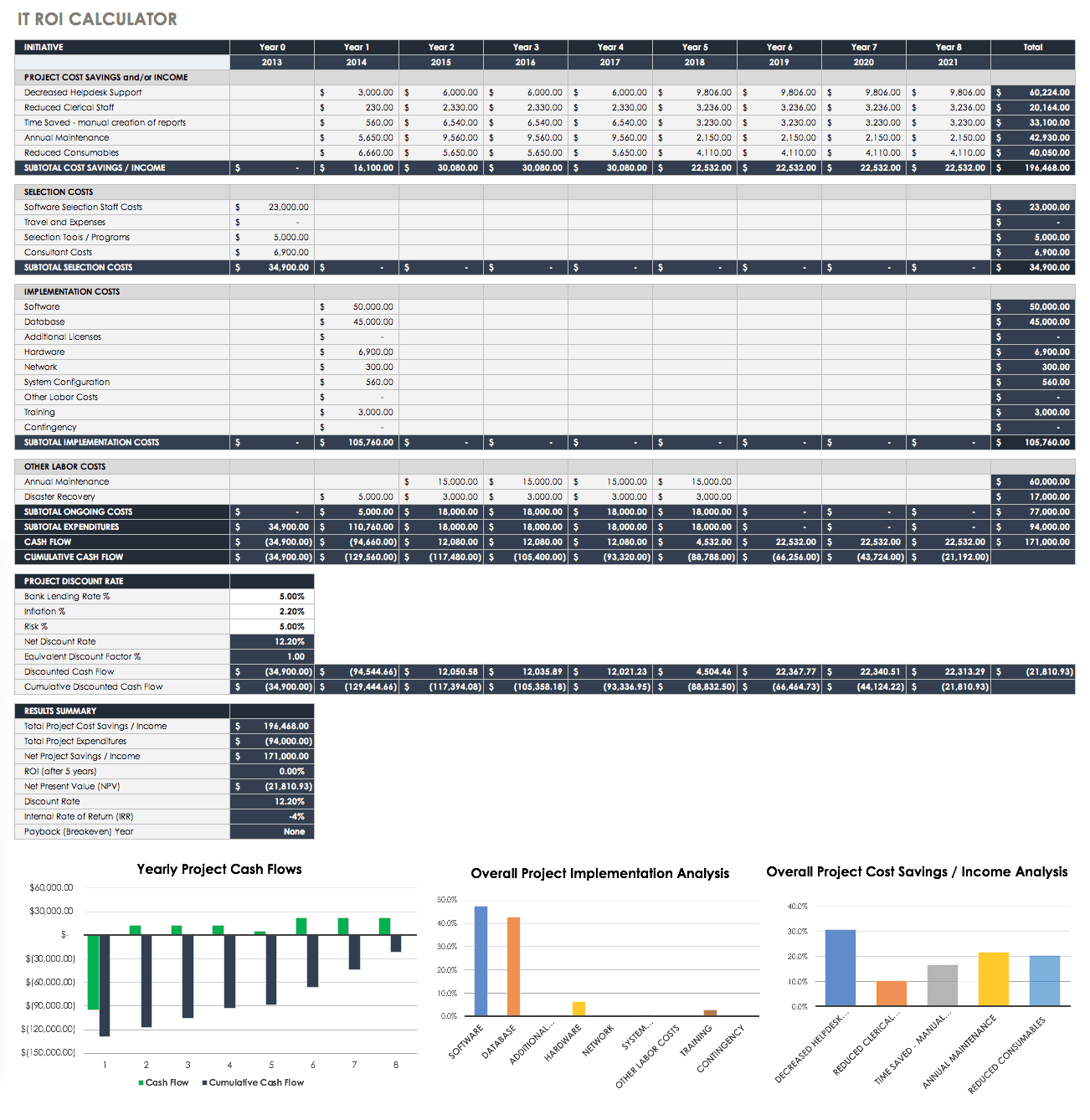


🔥 Advanced Metric
Training Investment Recovery Ratio
This is where aviation recruitment moves from cost center to strategic function.
The question is simple.
How long does it take for a new hire to become economically productive?
In aviation, this is not trivial. Training costs are substantial. Time to competency is extended. Productivity ramps gradually.
Yet few organizations calculate this explicitly.
Those that do gain a different perspective on aviation recruitment.
A higher upfront investment—better training, stronger onboarding, clearer progression—may extend short-term cost per hire. But if it accelerates time to productivity and improves retention, the long-term return is superior.
Without this metric, aviation recruitment decisions are made in isolation.
With it, they are made in context.
Measuring What Actually Matters
There is a discipline to this.
Not every metric deserves equal attention. Not every fluctuation requires action.
But the absence of measurement guarantees drift.
Aviation recruitment, at scale, is not controlled by intent.
It is controlled by feedback.
And feedback, in this domain, is numerical.
The Operational Reality
If you do not measure aviation recruitment, you do not control it.
And if you do not control it, the system will decide for you—quietly, gradually, and often too late to correct without cost.
SECTION 9: AVIATION HR COMPLIANCE (CRITICAL AND NON-NEGOTIABLE)
There is a difference, in aviation, between something that is inconvenient and something that is unacceptable.
Compliance falls into the latter category.
It does not announce itself loudly. It does not compete for attention with staffing shortages or operational pressure. It sits, instead, beneath the surface—quiet, procedural, exacting.
Until it isn’t.
Until a record is missing. A verification incomplete. A step overlooked in the interest of speed.
And then, very quickly, it becomes the only thing that matters.
Aviation recruitment, for all its emphasis on strategy and sourcing, is ultimately bounded by compliance. It is the structure that defines what is permissible—and what is not. Without it, the entire hiring process, no matter how well executed otherwise, can be rendered invalid.
The Compliance Layer in Aviation Recruitment
To understand aviation recruitment fully is to recognize that it does not operate in an open system.
It operates inside a regulatory framework that is both specific and unforgiving.
There is no partial compliance. No acceptable margin of error.
Only alignment—or exposure.
FAA Certification Verification — The First Gate
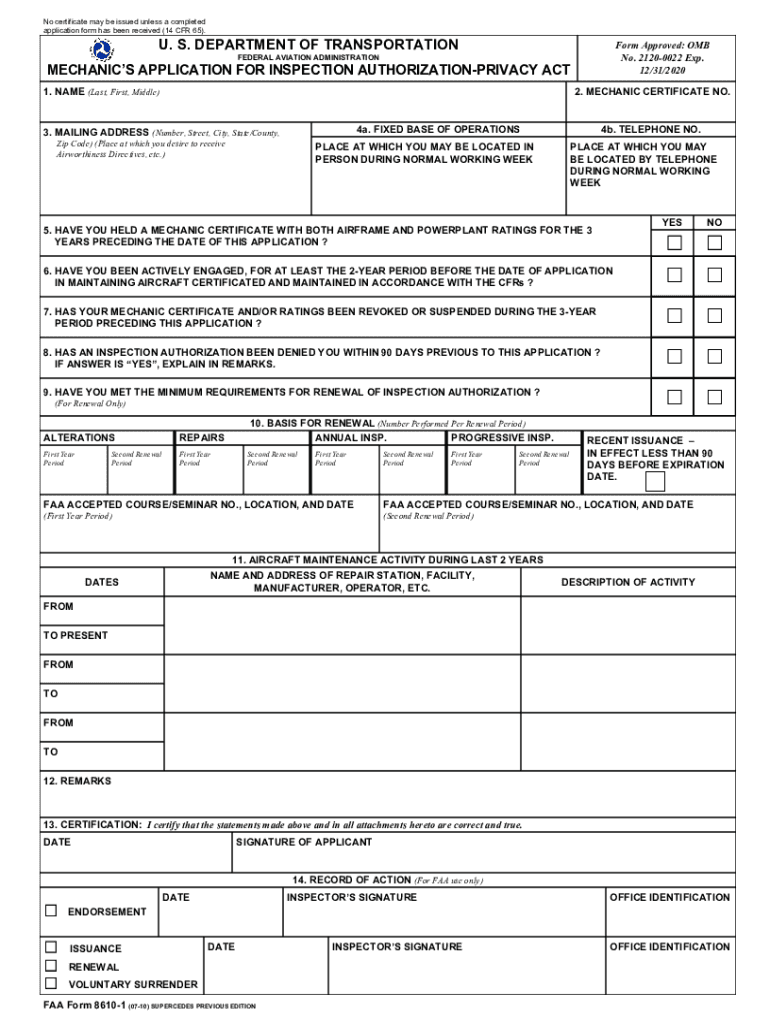
Every aviation hire begins here.
Certificates must not only exist—they must be verified. Ratings confirmed. Currency established. Limitations understood.
This is not a clerical step.
It is the foundation of legal eligibility.
Aviation recruitment fails at the outset when verification is treated as routine rather than critical. Assumptions, even well-intentioned, have no place here. Documentation must be confirmed against authoritative sources, every time.
PRD (Pilot Records Database) — The Historical Record


The PRD introduces a different dimension to aviation recruitment.
History.
Training events. Checkride outcomes. Employment records. Safety-related data points that, taken together, form a profile far more complete than a resume.
The obligation here is not optional. Accessing and reviewing PRD records is a regulatory requirement, and failure to do so carries consequences that extend beyond the individual hire.
It is, in effect, a second layer of due diligence—one that ensures decisions are made with full visibility.
Drug and Alcohol Testing — A System, Not a Step
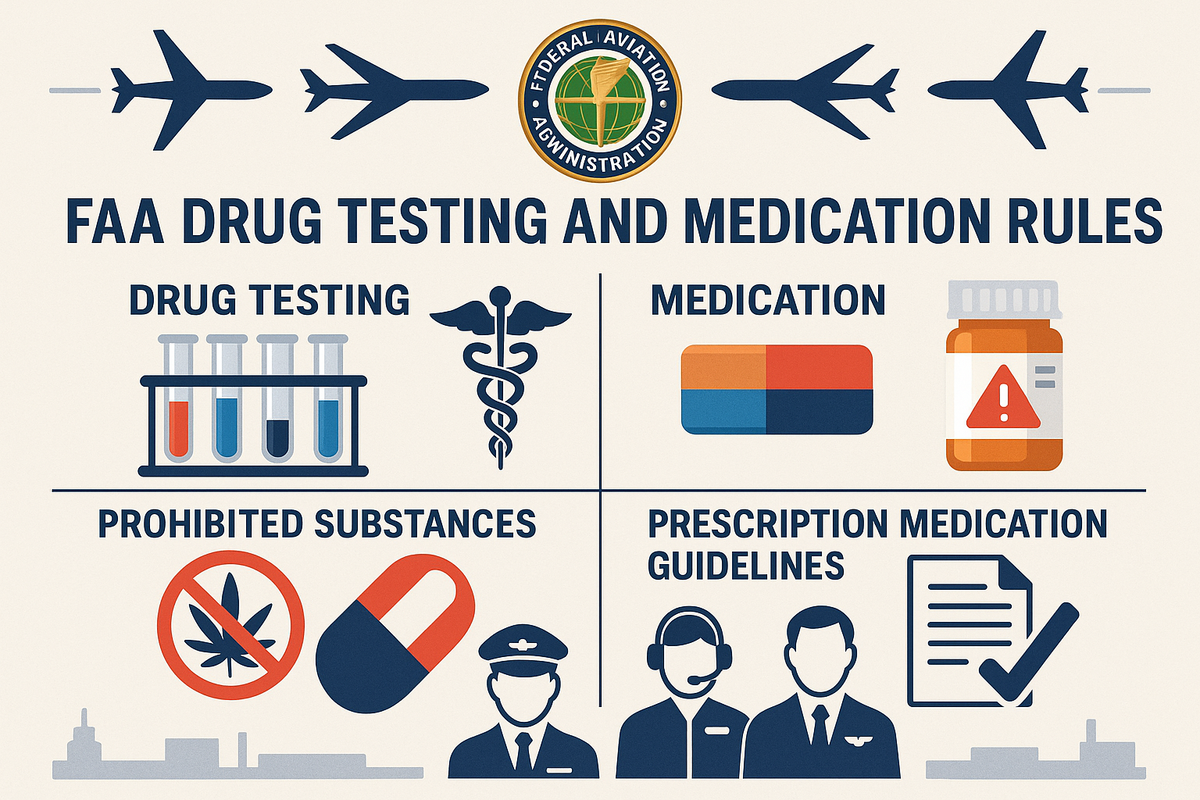
Drug and alcohol testing is often described in procedural terms.
Pre-employment. Random. Post-incident.
But in aviation recruitment, it functions as a system.
Chain of custody. Timing requirements. Documentation standards. Each element must align precisely with regulatory expectations. There is no tolerance for deviation.
A missed step does not simply delay a hire.
It compromises compliance.
TSA Background Checks — Security as a Condition of Employment



Aviation is not only regulated for safety.
It is regulated for security.
TSA background checks and credentialing processes determine whether an individual can access the operational environment at all. Without clearance, there is no role to fill—regardless of qualification.
In aviation recruitment, this introduces an additional dependency. Hiring timelines must account for clearance processing. Offers must be structured with this contingency in mind.
To overlook this is to create friction at the point of entry.
Where Compliance Failures Begin
They rarely begin with intent.
They begin with compression.
A position remains open longer than expected. Operational pressure builds. The impulse—subtle, often justified—is to move faster. To streamline. To assume that a step completed a hundred times before will complete correctly once more.
This is where aviation recruitment becomes vulnerable.
Because compliance does not degrade gradually.
It fails completely.
The Operational Reality
🔥 Reality
Compliance failures can invalidate your entire hiring pipeline.
Not just the individual hire.
The process itself.
Records can be audited. Decisions can be reviewed. And when gaps are found, the cost is not limited to correction—it extends to credibility, to regulatory standing, to operational continuity.
The Discipline Required
The organizations that navigate this well do not treat compliance as an administrative burden.
They treat it as an integrated system.
Checklists that are followed, not referenced. Verification processes that are standardized, not improvised. Accountability that is assigned, not assumed.
Aviation recruitment, at its highest level, is not simply about finding the right people.
It is about ensuring that every step taken to bring them onboard can withstand scrutiny—today, tomorrow, and under audit.
Because in this domain, precision is not a preference.
It is the condition of entry.
SECTION 10: AVIATION EMPLOYEE RETENTION (THE REAL GAME)
Recruitment gets attention.
Retention determines success.
H2: Why Employees Leave

Aviation recruitment often focuses on entry.
But the real signal is exit.
Employees rarely leave for a single reason. They leave when friction accumulates:
- Poor scheduling
Unpredictable rosters, excessive duty periods, and lack of control over time erode sustainability. - Compensation gaps
Not just pay—but perceived fairness relative to peers and market conditions. - Leadership issues
Inconsistent communication, lack of support, or operational decisions that ignore frontline reality. - Career stagnation
No visible path forward. No upgrade timeline. No development.
Each departure is data.
And most of it is predictable.
The Pattern Behind Turnover
Turnover is rarely sudden.
It builds quietly—through small misalignments that, over time, become decisive.
Aviation recruitment cannot outpace a system that is losing people for the same reasons it is hiring them.
The Retention Reality
🔥 Truth
Every failed retention case is a future recruitment problem.
Losing an employee does not reset the system.
It compounds it.
You incur replacement cost, training cost, lost productivity, and increased pressure on the remaining team—all of which feed back into the same conditions that caused the departure.
Retention Drivers That Actually Work

Retention is not built on intention.
It is built on structure.
- Predictable schedules
Stability in time off, duty expectations, and planning horizons. - Competitive compensation
Aligned with market reality—and transparent enough to be trusted. - Clear career progression
Defined pathways, timelines, and criteria for advancement. - Strong safety culture
An environment where operational integrity is prioritized over short-term pressure.
These are not perks.
They are expectations.
The Strategic Implication
Retention is not separate from aviation recruitment.
It is the continuation of it.
The organizations that recognize this stop treating hiring and retention as different problems—and start designing a system that supports both.
Because in aviation, stability is not accidental.
It is engineered.
SECTION 11: COST OF AVIATION RECRUITMENT (WHAT IT’S REALLY COSTING YOU)
Most companies account for hiring the way they account for fuel.
Line items. Predictable categories. A number that can be budgeted, tracked, and, if necessary, trimmed.
But aviation recruitment does not behave like fuel.
Its true cost is rarely confined to what is visible. It extends outward—into operations, into teams, into time lost and never quite recovered. And by the time it is fully understood, it has already been absorbed.
The Visible Costs of Aviation Recruitment

These are the costs most organizations recognize.
They are tangible. They appear on invoices. They can be justified in reports.
- Advertising
Job boards, sponsored listings, outreach campaigns—each designed to generate candidate flow. - Recruiter Time
Sourcing, screening, coordination, follow-up. Hours accumulate quickly, especially in competitive roles. - Interview Process
Internal time from managers, check airmen, technical evaluators—often pulled away from operational responsibilities.
These costs define the surface of aviation recruitment.
They are real.
But they are not the full picture.
The Hidden Costs No One Budgets For



The deeper costs of aviation recruitment are less visible—and far more consequential.
- Operational Disruption
Open positions create pressure. Flights are rescheduled. Maintenance is deferred or redistributed. Small gaps compound into larger inefficiencies. - Overtime
Remaining staff absorb the workload. Fatigue increases. Costs rise—not just financially, but operationally. - Training Investment Loss
When a hire leaves early, the investment made in onboarding, training, and integration does not return. It disappears.
These costs do not arrive as a single number.
They accumulate.
Quietly, persistently, until the system begins to strain.
The Compounding Effect
Aviation recruitment costs are rarely isolated.
They cascade.
One vacancy increases workload. Increased workload accelerates fatigue. Fatigue contributes to turnover. Turnover creates additional vacancies.
What began as a hiring problem becomes an operational one.
The Miscalculation That Drives Poor Decisions
The most common error is not underinvestment.
It is misinvestment.
Organizations attempt to reduce visible hiring costs—limiting advertising spend, compressing recruiter time, accelerating decision-making—without accounting for the downstream impact.
Aviation recruitment, treated this way, becomes cheaper in appearance and more expensive in reality.
The Strategic Reality
🔥 Reality
A bad hire costs far more than a slow hire.
Speed, when it compromises alignment, introduces risk.
The wrong pilot, the wrong technician, the wrong cultural fit—each carries a cost that extends beyond replacement. It affects team cohesion, operational reliability, and, in some cases, safety margins.
A slower, more deliberate aviation recruitment process may increase short-term cost.
But it reduces long-term exposure.
What It Actually Means to “Control Cost”
To control aviation recruitment cost is not to minimize spending.
It is to align spending with outcome.
Invest where it improves candidate quality. Extend timelines where it increases retention. Build processes that reduce rework rather than accelerate throughput.
Because in aviation, cost is not defined by what you spend to hire.
It is defined by what happens after.
SECTION 12: BUILDING A SUSTAINABLE AVIATION RECRUITMENT ENGINE
There is a moment, in every organization, when hiring stops feeling like a task and starts feeling like a condition.
A condition of growth.
A condition of stability.
A condition, ultimately, of survival.
At that point, aviation recruitment can no longer be approached episodically—triggered by vacancies, resolved by postings, forgotten until the next gap appears.
It must become something else.
A system.
The Endgame — From Hiring Activity to Recruitment Engine


High-performing operators do not experience hiring as disruption.
They experience it as flow.
Candidates move through pipelines that already exist. Awareness precedes need. Relationships are in place before requisitions are opened. Decisions are informed by data, not urgency.
Aviation recruitment, at this level, is not reactive.
It is pre-positioned.
What High-Performing Operators Actually Do
They do not rely on a single tactic.
They build infrastructure.
- They build pipelines before they need them
Relationships with flight schools, Part 147 programs, and industry networks are established early—long before hiring pressure begins. - They maintain constant visibility
Their presence in the market does not fluctuate with demand. They are known quantities—consistently seen, consistently understood. - They invest in employer brand
Not as marketing, but as signal. What it is like to work there is clear, credible, and reinforced over time. - They track performance metrics
Hiring is measured, analyzed, refined. Time to fill, quality of hire, retention—each informs the next decision. - They align hiring with operations
Recruitment is not isolated from the business. It is integrated into fleet planning, growth projections, and operational tempo.
This is what separates activity from capability.
The Shift Most Organizations Never Make
The difference is not resources.
It is orientation.
Most organizations treat aviation recruitment as something they do.
High-performing operators treat it as something they build.
A structure that endures beyond individual roles, beyond individual hires. A system that produces consistency in an environment defined by constraint.
The Final Insight
Aviation recruitment is not about filling jobs.
It is about ensuring operational continuity in a constrained talent environment.
Everything else—job postings, interviews, offers—is simply execution detail.
Bringing It All Together
By now, the pattern is clear.
The workforce is fragmented.
The supply is constrained.
The competition is persistent.
And yet, within that reality, some operators hire consistently, retain effectively, and grow with stability.
They are not luckier.
They are structured.
🚀 FINAL ACTION — BUILD YOUR ADVANTAGE NOW
If you are serious about solving your aviation hiring challenges, the next step is not conceptual.
It is operational.
👉 Post a Job and Reach Qualified Aviation Talent Now → Aviation Employment Network
👉 Search Our Aviation Candidate Database → Aviation Employment Network
Because in aviation recruitment, the advantage does not go to the organization that reacts fastest.
It goes to the one that is already in position.
AVIATION RECRUITMENT FAQ’s
What are the biggest aviation talent shortages expected in 2026?

Many aviation organizations anticipate shortages in pilots, aircraft maintenance technicians, avionics specialists, air traffic controllers, and emerging roles tied to automation and sustainability.
How has aviation recruitment changed since the pandemic recovery period?
Recruitment has shifted toward digital-first hiring, stronger employer branding, flexible career pathways, and a renewed focus on retention due to global workforce gaps.
What skills are most in demand for aviation professionals in 2026?
Technical certifications remain essential, but employers increasingly seek digital literacy, safety culture awareness, problem‑solving, and adaptability to new technologies.
How can aviation companies attract younger talent entering the industry?
Organizations are investing in modern training pipelines, mentorship programs, competitive compensation, and showcasing aviation as a tech-forward, purpose-driven career.
What role does employer branding play in aviation recruitment?
A strong employer brand helps companies stand out in a competitive market by communicating culture, career growth, safety standards, and long-term stability.
How can airlines and aviation companies improve retention?
Retention strategies include continuous training, clear promotion pathways, competitive benefits, mental health support, and fostering a positive, safety-focused workplace.
What recruitment technologies are shaping aviation hiring in 2026?
AI-driven screening tools, virtual assessments, digital credential verification, and predictive analytics are becoming standard in modern aviation recruitment.
How important are diversity and inclusion in aviation hiring?
Diversity initiatives are critical for expanding the talent pool, improving innovation, and meeting global regulatory and customer expectations.
What compliance considerations must aviation recruiters keep in mind?
Recruiters must follow strict aviation authority regulations, background checks, credential verification, and safety compliance standards across all hiring stages.
How can smaller aviation companies compete with major airlines for top talent?
Smaller organizations can win talent by offering personalized career development, flexible schedules, strong culture, and faster advancement opportunities.
MORE ARTICLES YOU MIGHT FIND INTERESTING:
Aviation Workforce Planning: A High‑Impact Forecasting Guide to Strengthen Your 2027 Workforce
How Aviation Staffing Agencies Work: 5 Ways to Elevate Your Hiring Strategy
Aviation Talent Acquisition: A Comprehensive Guide for Aviation Employers
Aviation Maintenance Staffing Shortage: 3 Hidden Drivers and the Frustrating Industry Impact
The Complete Guide to Aviation Job Descriptions That Attract Top Talent in 2026
Retaining Aircraft Maintenance Technicians: What Actually Works in 2026
Aviation Employer Priorities 2026–2027: Powerful Trends Driving Industry MomentumAviation Resume Screening: 12 High‑Impact Techniques That Improve Safety, Training Success, and Hiring Accuracy