
Table of Contents
A Practical, Compliance-Driven Guide for Aviation Operators
There is a moment in every Part 135 operation when hiring stops being routine and becomes operationally critical.
It may begin with a captain upgrade that leaves a gap in the right seat. Or a new aircraft added to the certificate. Or a sudden increase in demand that stretches crews beyond a comfortable margin. The instinct is to move quickly—post the job, review résumés, schedule interviews.
But Part 135 hiring does not reward speed without structure.
Because in this segment of aviation, hiring is not just a staffing function. It is a regulatory event.
Understanding Part 135 pilot hiring requirements is essential not only for compliance, but for maintaining operational continuity, audit readiness, and certificate integrity. The operators who approach hiring casually often discover—too late—that the FAA does not.
Understanding Part 135 Pilot Hiring Requirements
At its core, Part 135 pilot hiring requirements are defined by a combination of:
- Federal Aviation Regulations (FARs)
- Company General Operations Manual (GOM)
- Operations Specifications (OpSpecs)
- Training program approvals
Unlike Part 91, where hiring decisions are largely internal, Part 135 operators must ensure that every pilot meets both regulatory minimums and company-specific standards approved by the FAA.
This creates a layered compliance structure where hiring is not complete until documentation, verification, and qualification are fully aligned.
Minimum Regulatory Qualifications Under Part 135
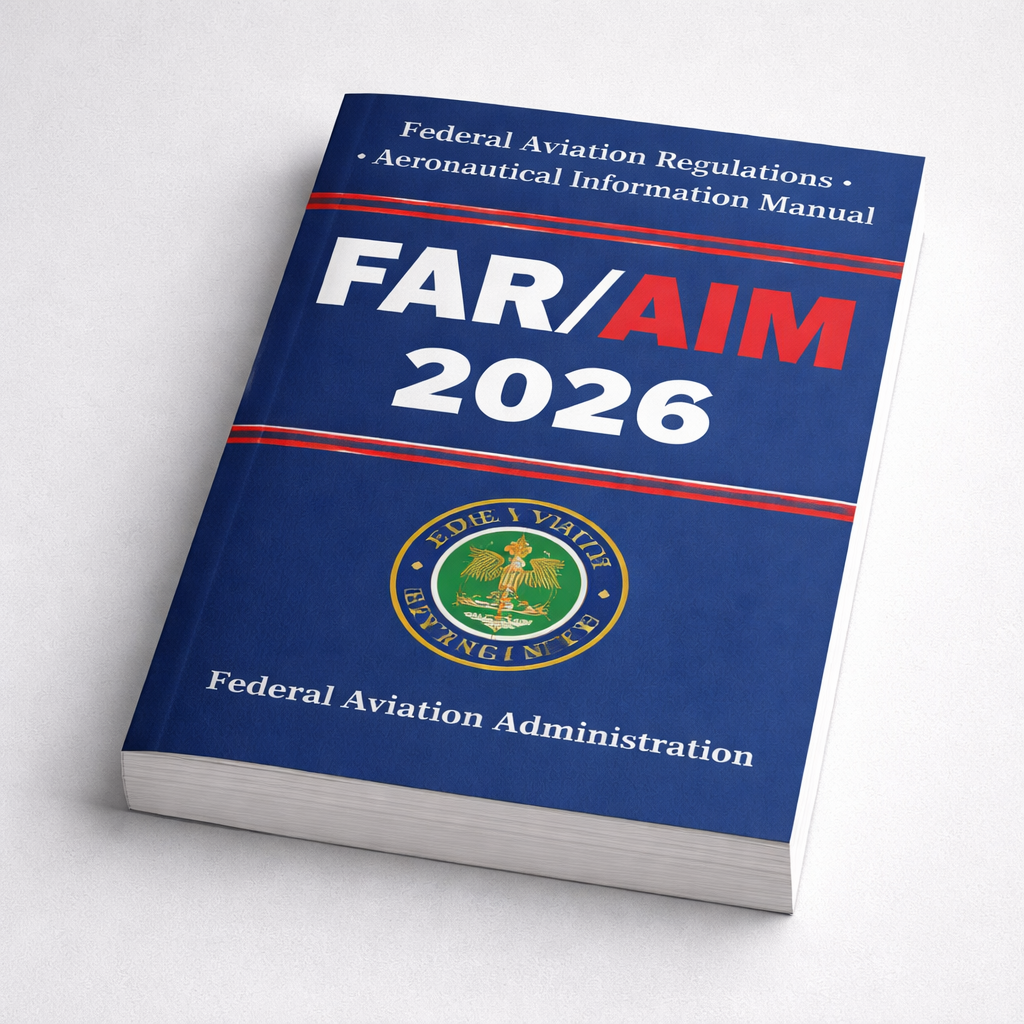
The foundation of Part 135 pilot hiring requirements begins with baseline FAA qualifications.
Pilot in Command (PIC)
For IFR operations under Part 135, a PIC must meet:
- Airline Transport Pilot (ATP) certificate
- Appropriate category and class ratings
- Instrument rating
- Minimum flight time:
- 1,200 hours total time
- 500 hours cross-country
- 100 hours night
- 75 hours instrument (actual or simulated)
Second in Command (SIC)
SIC requirements under Part 135 include:
- Commercial pilot certificate (or ATP, depending on operation)
- Instrument rating (for IFR operations)
- Appropriate category and class ratings
However, many operators exceed these minimums due to insurance and operational complexity.
Understanding these baseline thresholds is the first step in aligning with Part 135 pilot hiring requirements.
Beyond Minimums: Operational and Insurance Realities
While FAA regulations define the floor, they do not define the market.
In practice, Part 135 pilot hiring requirements are often driven by:
- Insurance carrier minimums
- Aircraft-specific experience requirements
- Customer expectations (particularly in high-end charter)
For example, a light jet SIC may legally qualify with relatively low time, but insurance may require:
- 1,000+ hours total time
- 100–250 hours in type or similar aircraft
This creates a dual-layer hiring environment where compliance alone is insufficient.
Operators must balance:
- Regulatory legality
- Insurability
- Operational risk
Required Background Checks and Verification
One of the most critical aspects of Part 135 pilot hiring requirements is background verification.
Pilot Records Database (PRD)
All Part 135 operators must review records through the FAA’s PRD system, including:
- FAA certificates and ratings
- Enforcement history
- Previous employer records
Employment Verification
Operators must:
- Verify previous employment for the past 5 years
- Review training and qualification records
- Investigate any gaps in employment
Drug and Alcohol Testing
Compliance includes:
- Pre-employment drug testing
- Enrollment in a DOT-compliant testing program
Failure to properly complete these steps is not a paperwork issue—it is a regulatory violation.
Training and Qualification Requirements
Hiring a pilot under Part 135 does not end with selection.
It begins a structured qualification process.
Initial Training
All newly hired pilots must complete:
- Company indoctrination training
- Aircraft-specific initial training
- Emergency procedures training
- CRM (Crew Resource Management)
Checking and Validation
Pilots must successfully complete:
- Initial checkride (135.293 competency check)
- Instrument proficiency check (135.297)
- Line check (135.299, if applicable)
These steps are non-negotiable elements of Part 135 pilot hiring requirements.
A pilot is not operational until fully trained, checked, and documented.
Documentation and Recordkeeping
Part 135 operators are required to maintain detailed records for each pilot.
This includes:
- Qualification records
- Training completion documentation
- Checkride results
- Duty and rest compliance records
Proper documentation is essential not only for compliance, but for:
- FAA inspections
- Internal audits
- Legal protection
In many cases, deficiencies in recordkeeping—not pilot performance—are what trigger enforcement action.
Common Hiring Mistakes in Part 135 Operations
Despite clear regulatory guidance, operators frequently make avoidable errors when navigating Part 135 pilot hiring requirements.
Hiring to Minimums Without Considering Insurance
Meeting FAA minimums does not guarantee insurability. This mismatch can delay or prevent a pilot from being placed on the line.
Incomplete PRD Review
Failing to fully review PRD records exposes operators to compliance risk and potential enforcement action.
Rushing the Process
Operational pressure often leads to shortcuts. In Part 135, shortcuts tend to surface later—during audits or incidents.
Weak Documentation Practices
If it is not documented, it did not happen. This principle governs all aspects of Part 135 compliance.
Aligning Hiring with Operational Strategy
The most effective operators treat Part 135 pilot hiring requirements as part of a broader operational system.
They do not hire reactively.
They build processes that ensure:
- Continuous candidate pipelines
- Pre-qualified pilot pools
- Standardized hiring workflows
- Alignment between HR, training, and compliance departments
This approach reduces risk and improves hiring efficiency.
The Role of Aviation Employment Platforms
Given the complexity of Part 135 pilot hiring requirements, sourcing qualified candidates becomes a strategic priority.
Generic job boards often fail to deliver candidates who:
- Meet regulatory minimums
- Satisfy insurance requirements
- Fit operational culture
Aviation-specific platforms provide:
- Targeted access to qualified pilots
- Pre-filtered candidate pools
- Industry-relevant visibility
This reduces time-to-hire while maintaining compliance integrity.
Final Insight
Understanding Part 135 pilot hiring requirements is not about checking boxes.
It is about building a system that integrates:
- Regulatory compliance
- Operational readiness
- Strategic hiring
In a regulated environment, hiring decisions carry consequences beyond staffing.
They affect safety, certification, and the long-term stability of the operation.
The operators who succeed are those who approach hiring with the same discipline they apply to flight operations—
Structured, methodical, and aligned with the realities of the system they operate within.Part 135 Pilot Hiring Requirements: What Employers Must Know
A Practical, Compliance-Driven Guide for Aviation Operators
There is a moment in every Part 135 operation when hiring stops being routine and becomes operationally critical.
It may begin with a captain upgrade that leaves a gap in the right seat. Or a new aircraft added to the certificate. Or a sudden increase in demand that stretches crews beyond a comfortable margin. The instinct is to move quickly—post the job, review résumés, schedule interviews.
But Part 135 hiring does not reward speed without structure.
Because in this segment of aviation, hiring is not just a staffing function. It is a regulatory event.
Understanding Part 135 pilot hiring requirements is essential not only for compliance, but for maintaining operational continuity, audit readiness, and certificate integrity. The operators who approach hiring casually often discover—too late—that the FAA does not.
Understanding Part 135 Pilot Hiring Requirements

At its core, Part 135 pilot hiring requirements are defined by a combination of:
- Federal Aviation Regulations (FARs)
- Company General Operations Manual (GOM)
- Operations Specifications (OpSpecs)
- Training program approvals
Unlike Part 91, where hiring decisions are largely internal, Part 135 operators must ensure that every pilot meets both regulatory minimums and company-specific standards approved by the FAA.
This creates a layered compliance structure where hiring is not complete until documentation, verification, and qualification are fully aligned.
Minimum Regulatory Qualifications Under Part 135
The foundation of Part 135 pilot hiring requirements begins with baseline FAA qualifications.
Pilot in Command (PIC)
For IFR operations under Part 135, a PIC must meet:
- Airline Transport Pilot (ATP) certificate
- Appropriate category and class ratings
- Instrument rating
- Minimum flight time:
- 1,200 hours total time
- 500 hours cross-country
- 100 hours night
- 75 hours instrument (actual or simulated)
Second in Command (SIC)
SIC requirements under Part 135 include:
- Commercial pilot certificate (or ATP, depending on operation)
- Instrument rating (for IFR operations)
- Appropriate category and class ratings
However, many operators exceed these minimums due to insurance and operational complexity.
Understanding these baseline thresholds is the first step in aligning with Part 135 pilot hiring requirements.
Beyond Minimums: Operational and Insurance Realities
While FAA regulations define the floor, they do not define the market.
In practice, Part 135 pilot hiring requirements are often driven by:
- Insurance carrier minimums
- Aircraft-specific experience requirements
- Customer expectations (particularly in high-end charter)
For example, a light jet SIC may legally qualify with relatively low time, but insurance may require:
- 1,000+ hours total time
- 100–250 hours in type or similar aircraft
This creates a dual-layer hiring environment where compliance alone is insufficient.
Operators must balance:
- Regulatory legality
- Insurability
- Operational risk
Required Background Checks and Verification
One of the most critical aspects of Part 135 pilot hiring requirements is background verification.
Pilot Records Database (PRD)
All Part 135 operators must review records through the FAA’s PRD system, including:
- FAA certificates and ratings
- Enforcement history
- Previous employer records
Employment Verification
Operators must:
- Verify previous employment for the past 5 years
- Review training and qualification records
- Investigate any gaps in employment
Drug and Alcohol Testing
Compliance includes:
- Pre-employment drug testing
- Enrollment in a DOT-compliant testing program
Failure to properly complete these steps is not a paperwork issue—it is a regulatory violation.
Training and Qualification Requirements
Hiring a pilot under Part 135 does not end with selection.
It begins a structured qualification process.
Initial Training
All newly hired pilots must complete:
- Company indoctrination training
- Aircraft-specific initial training
- Emergency procedures training
- CRM (Crew Resource Management)
Checking and Validation
Pilots must successfully complete:
- Initial checkride (135.293 competency check)
- Instrument proficiency check (135.297)
- Line check (135.299, if applicable)
These steps are non-negotiable elements of Part 135 pilot hiring requirements.
A pilot is not operational until fully trained, checked, and documented.
Documentation and Recordkeeping
Part 135 operators are required to maintain detailed records for each pilot.
This includes:
- Qualification records
- Training completion documentation
- Checkride results
- Duty and rest compliance records
Proper documentation is essential not only for compliance, but for:
- FAA inspections
- Internal audits
- Legal protection
In many cases, deficiencies in recordkeeping—not pilot performance—are what trigger enforcement action.
Common Hiring Mistakes in Part 135 Operations


Despite clear regulatory guidance, operators frequently make avoidable errors when navigating Part 135 pilot hiring requirements.
Hiring to Minimums Without Considering Insurance
Meeting FAA minimums does not guarantee insurability. This mismatch can delay or prevent a pilot from being placed on the line.
Incomplete PRD Review
Failing to fully review PRD records exposes operators to compliance risk and potential enforcement action.
Rushing the Process
Operational pressure often leads to shortcuts. In Part 135, shortcuts tend to surface later—during audits or incidents.
Weak Documentation Practices
If it is not documented, it did not happen. This principle governs all aspects of Part 135 compliance.
Aligning Hiring with Operational Strategy
The most effective operators treat Part 135 pilot hiring requirements as part of a broader operational system.
They do not hire reactively.
They build processes that ensure:
- Continuous candidate pipelines
- Pre-qualified pilot pools
- Standardized hiring workflows
- Alignment between HR, training, and compliance departments
This approach reduces risk and improves hiring efficiency.
The Role of Aviation Employment Platforms
Given the complexity of Part 135 pilot hiring requirements, sourcing qualified candidates becomes a strategic priority.
Generic job boards often fail to deliver candidates who:
- Meet regulatory minimums
- Satisfy insurance requirements
- Fit operational culture
Aviation-specific platforms provide:
- Targeted access to qualified pilots
- Pre-filtered candidate pools
- Industry-relevant visibility
This reduces time-to-hire while maintaining compliance integrity.
Final Insight
Understanding Part 135 pilot hiring requirements is not about checking boxes.
It is about building a system that integrates:
- Regulatory compliance
- Operational readiness
- Strategic hiring
In a regulated environment, hiring decisions carry consequences beyond staffing.
They affect safety, certification, and the long-term stability of the operation.
The operators who succeed are those who approach hiring with the same discipline they apply to flight operations—
Structured, methodical, and aligned with the realities of the system they operate within.Part 135 Pilot Hiring Requirements: What Employers Must Know
A Practical, Compliance-Driven Guide for Aviation Operators
There is a moment in every Part 135 operation when hiring stops being routine and becomes operationally critical.
It may begin with a captain upgrade that leaves a gap in the right seat. Or a new aircraft added to the certificate. Or a sudden increase in demand that stretches crews beyond a comfortable margin. The instinct is to move quickly—post the job, review résumés, schedule interviews.
But Part 135 hiring does not reward speed without structure.
Because in this segment of aviation, hiring is not just a staffing function. It is a regulatory event.
Understanding Part 135 pilot hiring requirements is essential not only for compliance, but for maintaining operational continuity, audit readiness, and certificate integrity. The operators who approach hiring casually often discover—too late—that the FAA does not.
Understanding Part 135 Pilot Hiring Requirements
At its core, Part 135 pilot hiring requirements are defined by a combination of:
- Federal Aviation Regulations (FARs)
- Company General Operations Manual (GOM)
- Operations Specifications (OpSpecs)
- Training program approvals
Unlike Part 91, where hiring decisions are largely internal, Part 135 operators must ensure that every pilot meets both regulatory minimums and company-specific standards approved by the FAA.
This creates a layered compliance structure where hiring is not complete until documentation, verification, and qualification are fully aligned.
Minimum Regulatory Qualifications Under Part 135
The foundation of Part 135 pilot hiring requirements begins with baseline FAA qualifications.
Pilot in Command (PIC)
For IFR operations under Part 135, a PIC must meet:
- Airline Transport Pilot (ATP) certificate
- Appropriate category and class ratings
- Instrument rating
- Minimum flight time:
- 1,200 hours total time
- 500 hours cross-country
- 100 hours night
- 75 hours instrument (actual or simulated)
Second in Command (SIC)
SIC requirements under Part 135 include:
- Commercial pilot certificate (or ATP, depending on operation)
- Instrument rating (for IFR operations)
- Appropriate category and class ratings
However, many operators exceed these minimums due to insurance and operational complexity.
Understanding these baseline thresholds is the first step in aligning with Part 135 pilot hiring requirements.
Beyond Minimums: Operational and Insurance Realities
While FAA regulations define the floor, they do not define the market.
In practice, Part 135 pilot hiring requirements are often driven by:
- Insurance carrier minimums
- Aircraft-specific experience requirements
- Customer expectations (particularly in high-end charter)
For example, a light jet SIC may legally qualify with relatively low time, but insurance may require:
- 1,000+ hours total time
- 100–250 hours in type or similar aircraft
This creates a dual-layer hiring environment where compliance alone is insufficient.
Operators must balance:
- Regulatory legality
- Insurability
- Operational risk
Required Background Checks and Verification
One of the most critical aspects of Part 135 pilot hiring requirements is background verification.
Pilot Records Database (PRD)
All Part 135 operators must review records through the FAA’s PRD system, including:
- FAA certificates and ratings
- Enforcement history
- Previous employer records
Employment Verification
Operators must:
- Verify previous employment for the past 5 years
- Review training and qualification records
- Investigate any gaps in employment
Drug and Alcohol Testing
Compliance includes:
- Pre-employment drug testing
- Enrollment in a DOT-compliant testing program
Failure to properly complete these steps is not a paperwork issue—it is a regulatory violation.
Training and Qualification Requirements
Hiring a pilot under Part 135 does not end with selection.
It begins a structured qualification process.
Initial Training
All newly hired pilots must complete:
- Company indoctrination training
- Aircraft-specific initial training
- Emergency procedures training
- CRM (Crew Resource Management)
Checking and Validation
Pilots must successfully complete:
- Initial checkride (135.293 competency check)
- Instrument proficiency check (135.297)
- Line check (135.299, if applicable)
These steps are non-negotiable elements of Part 135 pilot hiring requirements.
A pilot is not operational until fully trained, checked, and documented.
Documentation and Recordkeeping
Part 135 operators are required to maintain detailed records for each pilot.
This includes:
- Qualification records
- Training completion documentation
- Checkride results
- Duty and rest compliance records
Proper documentation is essential not only for compliance, but for:
- FAA inspections
- Internal audits
- Legal protection
In many cases, deficiencies in recordkeeping—not pilot performance—are what trigger enforcement action.
Common Hiring Mistakes in Part 135 Operations
Despite clear regulatory guidance, operators frequently make avoidable errors when navigating Part 135 pilot hiring requirements.
Hiring to Minimums Without Considering Insurance
Meeting FAA minimums does not guarantee insurability. This mismatch can delay or prevent a pilot from being placed on the line.
Incomplete PRD Review
Failing to fully review PRD records exposes operators to compliance risk and potential enforcement action.
Rushing the Process
Operational pressure often leads to shortcuts. In Part 135, shortcuts tend to surface later—during audits or incidents.
Weak Documentation Practices
If it is not documented, it did not happen. This principle governs all aspects of Part 135 compliance.
Aligning Hiring with Operational Strategy
The most effective operators treat Part 135 pilot hiring requirements as part of a broader operational system.
They do not hire reactively.
They build processes that ensure:
- Continuous candidate pipelines
- Pre-qualified pilot pools
- Standardized hiring workflows
- Alignment between HR, training, and compliance departments
This approach reduces risk and improves hiring efficiency.
The Role of Aviation Employment Platforms
Given the complexity of Part 135 pilot hiring requirements, sourcing qualified candidates becomes a strategic priority.
Generic job boards often fail to deliver candidates who:
- Meet regulatory minimums
- Satisfy insurance requirements
- Fit operational culture
Aviation-specific platforms provide:
- Targeted access to qualified pilots
- Pre-filtered candidate pools
- Industry-relevant visibility
This reduces time-to-hire while maintaining compliance integrity.
Final Insight
Understanding Part 135 pilot hiring requirements is not about checking boxes.
It is about building a system that integrates:
- Regulatory compliance
- Operational readiness
- Strategic hiring
In a regulated environment, hiring decisions carry consequences beyond staffing.
They affect safety, certification, and the long-term stability of the operation.
The operators who succeed are those who approach hiring with the same discipline they apply to flight operations—
Structured, methodical, and aligned with the realities of the system they operate within.