
<p>The post Aviation Mechanic Shortage: 7 Causes and Hiring Solutions first appeared on Aviation Careers.</p>
]]>Table of Contents
The aviation mechanic shortage has become one of the most urgent workforce challenges facing airlines, MROs, business aviation operators, and OEM service centers. With retirements accelerating, training pipelines lagging, and fleet complexity increasing, the gap between maintenance labor supply and demand is widening at a pace that threatens operational reliability, cost control, and long‑term industry growth. This article breaks down the root causes of the aviation mechanic shortage and provides actionable hiring solutions for employers navigating this tightening labor market.
Understanding the Mechanic Shortage
Scale and Industry Impact
The aviation mechanic shortage is not a temporary fluctuation—it is a structural imbalance. Industry analysis shows that retirements, attrition, and limited training throughput are creating a projected shortfall of approximately 60,000 aviation maintenance technicians by 2029, representing a 20% gap below industry needs . This shortage is already driving up labor costs, extending turnaround times, and increasing maintenance backlogs across airlines and MROs.
Aviation Mechanic Shortage: A Generational Cliff
One of the most significant drivers of the aviation mechanic shortage is the demographic shift reshaping the workforce. A large portion of certificated A&P mechanics entered the industry during the deregulation era and are now approaching retirement. As these senior technicians exit, they take with them decades of tacit knowledge—skills that cannot be quickly replaced by new graduates .
Training Pipeline Limitations
Despite increased awareness, the number of newly certificated A&P mechanics entering the workforce each year remains insufficient. FAA certificate issuance data consistently shows that training output is not keeping pace with retirements or expanding fleet maintenance requirements . Traditional two‑year programs delay workforce entry, while accelerated programs—though faster—still cannot close the gap alone.
Root Causes of the Aviation Mechanic Shortage
A Shortage Driven by Retirements and Attrition
Early Retirements and Pandemic‑Era Exits
The COVID‑19 pandemic accelerated early retirements and job cuts, shrinking the experienced technician pool. Many senior AMTs did not return, deepening the aviation mechanic shortage .
Attrition to Higher‑Paying Industries
Technicians with mechanical, electrical, or avionics skills are increasingly recruited by automotive, energy, defense, and tech sectors. These industries often offer more predictable schedules and competitive pay, pulling talent away from aviation and worsening the aviation mechanic shortage .
Aviation Mechanic Shortage Caused by Training Capacity Constraints
Limited Part 147 School Output
Part 147 schools continue to graduate students, but not at a rate sufficient to offset retirements. The training pipeline simply cannot meet the accelerating demand for certificated mechanics .
Long Time‑to‑Certification
Traditional A&P programs often require two years or more, delaying workforce entry. Accelerated programs can produce certificated mechanics in eight months, allowing earlier entry into a high‑demand labor market—but capacity remains limited .
Aviation Mechanic Shortage Intensified by Fleet Growth and Complexity
Higher Utilization and Aging Aircraft
Airlines are flying higher utilization schedules than ever before, while simultaneously operating aging fleets that require more frequent and more complex maintenance. This increases demand for skilled labor and amplifies the shortage.
Technological Complexity Outpacing Training
Modern aircraft incorporate advanced avionics, composite materials, and digital systems. Training programs struggle to keep pace with these technologies, widening the skills gap and contributing to the aviation mechanic shortage .
The Shortage is Also Driven by Wage Inflation and Labor Competition
Rising Wages Reflect Supply‑Demand Imbalance
Competition for certificated mechanics has driven wages upward nationwide. Experienced airline mechanics frequently earn six‑figure compensation through base pay, overtime, and shift differentials, reflecting the severity of the aviation mechanic shortage .
Mobility and Poaching Across Operators
Airlines, MROs, and business aviation operators increasingly compete for the same limited pool of technicians. This mobility intensifies hiring challenges and accelerates wage escalation.
Hiring Solutions for 2026
Mechanic Shortage Solutions Through Workforce Development
Build Internal Training Pipelines
Leading MROs are partnering with training institutions and creating in‑house academies to expand the talent pipeline. These programs reduce dependency on external training capacity and help stabilize staffing levels .
Accelerate Time‑to‑Proficiency
Employers can shorten the learning curve by offering structured skill‑building programs, mentorship, and hands‑on training. This approach increases productivity and mitigates the aviation mechanic shortage by maximizing internal capacity.
Aviation Mechanic Shortage Solutions Through Productivity Improvements
Improve Planning and Preparatory Processes
Raising technician productivity to best‑quartile levels could mitigate over 80% of the projected 2029 shortage, according to industry analysis . Improvements include:
- Better parts and tooling availability
- Aligning shift schedules with aircraft arrivals
- Ensuring technicians are qualified for assigned tasks
Implement Digital and AI Tools
Digital workflow systems, predictive maintenance analytics, and AI‑driven planning tools can increase wrench time by 15–35%, significantly reducing the operational impact of the aviation mechanic shortage .
Aviation Mechanic Shortage Solutions Through Competitive Hiring Strategies
FIND AN AVIATION MECHANIC JOB TODAY AT AVIATIONEMPLOYMENT NETWORK!
Strengthen Employer Value Proposition
To attract and retain technicians, employers must offer:
- Competitive wages
- Predictable schedules
- Clear advancement pathways
- Strong safety culture
These factors are increasingly decisive for candidates evaluating opportunities in a tight labor market.
Recruit Earlier and More Aggressively
Engaging high school students, military veterans, and career‑transition candidates expands the talent pool. Early outreach helps counteract the demographic forces driving the aviation mechanic shortage.
Conclusion
The mechanic shortage is reshaping the maintenance workforce across airlines, MROs, and business aviation. Driven by retirements, training bottlenecks, fleet complexity, and labor competition, the shortage is projected to intensify through 2029. However, employers can mitigate its impact through strategic workforce development, productivity improvements, competitive hiring practices, and investment in training pipelines. Organizations that adapt now will be best positioned to maintain operational reliability and secure the skilled technicians essential to aviation’s future.
Related Posts


<p>The post Aviation Mechanic Shortage: 7 Causes and Hiring Solutions first appeared on Aviation Careers.</p>
]]><p>The post Retaining Aircraft Maintenance Technicians: What Actually Works in 2026 first appeared on Aviation Careers.</p>
]]>Table of Contents
Retaining Aircraft Maintenance Technicians has become one of the most urgent challenges in aviation. Airlines, MROs, corporate flight departments, and Part 135 operators are all competing for the same shrinking pool of A&P mechanics, avionics technicians, and structures specialists. With retirements accelerating and training pipelines lagging behind demand, the organizations that win the retention battle will be the ones that understand what technicians actually value — and what drives them away.
This guide breaks down what truly works for retaining Aircraft Maintenance Technicians in 2026, based on industry data, workforce trends, and proven employer practices. Any operator serious about Retaining Aircraft Maintenance Technicians must treat retention as a core operational function, not an HR afterthought.
Why Retention Matters More Than Recruitment
Recruiting new technicians is expensive, slow, and increasingly competitive. Losing an experienced A&P or avionics tech can cost an operator:
- Months of lost productivity
- Tens of thousands in recruiting and onboarding
- Reduced aircraft availability
- Increased overtime for remaining staff
- Higher risk of burnout and turnover
For operators focused on Retaining Aircraft Maintenance Technicians, the math is simple: retention protects operational reliability far more effectively than constant hiring.
What Technicians Say They Actually Want
Most employers assume technicians leave for money. Compensation matters — but it is rarely the only reason. Surveys consistently show that technicians prioritize:
- Respect and fair treatment
- Predictable schedules
- Career progression
- Modern tools and safe working conditions
- Competent leadership
- A culture that values maintenance, not just flight ops
Organizations committed to Retaining Aircraft Maintenance Technicians must understand that these non-financial factors often outweigh pay.
Proven Strategies for Retaining Aircraft Maintenance Technicians
Build a Culture That Respects Maintenance

Technicians stay where they feel respected. They leave when they feel ignored, rushed, or treated as an afterthought. Culture is one of the strongest levers for Retaining Aircraft Maintenance Technicians.
What Respect Looks Like in Practice
- Leadership that listens to technicians’ concerns
- Realistic timelines for maintenance tasks
- No pressure to cut corners
- Recognition for quality work, not just speed
- Involving technicians in decisions that affect their workflow
A culture of respect is the single strongest predictor of long-term retention.
Offer Competitive, Transparent Compensation
Pay alone won’t fix retention — but inadequate pay will absolutely destroy it.
Compensation Strategies That Work
- Clear pay scales tied to experience and certifications
- Shift differentials for nights, weekends, and on-call
- Tool allowances or reimbursement
- Retention bonuses tied to tenure
- Performance-based incentives that reward quality and safety
Operators serious about Retaining Aircraft Maintenance Technicians must ensure compensation is competitive and clearly communicated.
Improve Scheduling and Work-Life Balance
Unpredictable schedules are one of the top reasons technicians leave aviation entirely.
Scheduling Improvements That Boost Retention
- Predictable shift rotations
- Reduced mandatory overtime
- Flexible scheduling for senior technicians
- Adequate staffing to prevent burnout
- On-call rotations that are fair and evenly distributed
Work-life balance is a major driver in Retaining Aircraft Maintenance Technicians, especially among younger A&Ps.
Invest in Career Development
Technicians want to grow — not stagnate.
Development Programs That Keep Technicians Engaged
- Paid training for advanced avionics, composites, or engine courses
- Support for Inspection Authorization (IA)
- Clear pathways to lead, supervisor, or controller roles
- Cross-training between airframe, powerplant, and avionics
- Tuition assistance for continuing education
Career development is one of the most effective long-term strategies for Retaining Aircraft Maintenance Technicians.
Modernize Tools, Equipment, and Facilities
Nothing frustrates technicians more than outdated tools or unsafe workspaces.
Facility and Equipment Upgrades That Matter
- Modern diagnostic equipment
- Updated tooling and calibrated equipment
- Clean, well-lit hangars
- Climate-controlled workspaces where possible
- Digital task cards and modern maintenance software
Investing in tools is investing in retention — and it directly supports Retaining Aircraft Maintenance Technicians.
Strengthen Leadership at the Supervisor Level
Technicians don’t quit companies — they quit supervisors.
Leadership Behaviors That Improve Retention
- Fair workload distribution
- Clear communication
- Support during AOG or high-pressure events
- Advocacy for technician needs
- Consistent enforcement of safety and quality standards
Leadership quality is one of the most overlooked factors in Retaining Aircraft Maintenance Technicians.
Build a Strong Onboarding and Mentorship Program
Are you in need of A&P Mechanics? Post an ad now!
The first 90 days determine whether a new technician stays long-term.
Onboarding Elements That Work
- A structured orientation to the company, aircraft, and procedures
- A dedicated mentor for the first 6–12 months
- Clear expectations for performance and advancement
- Early wins that build confidence
Strong onboarding dramatically increases the odds of Retaining Aircraft Maintenance Technicians during their first year.
Create a Safe, No-Blame Maintenance Environment
Safety culture is retention culture.
Safety Practices That Keep Technicians Loyal
- A just culture that separates human error from negligence
- Encouragement to report hazards without fear
- Thorough root-cause analysis, not finger-pointing
- Leadership that prioritizes safety over schedule pressure
Technicians stay where they feel safe and supported.
The Hidden Drivers of Technician Turnover
Beyond pay and scheduling, several subtle factors push technicians out the door:
- Lack of recognition
- Poor communication from leadership
- Inconsistent enforcement of standards
- Favoritism in promotions or assignments
- A perception that flight ops “runs the show”
Addressing these issues is essential for Retaining Aircraft Maintenance Technicians in a competitive labor market.
The Bottom Line
Retaining Aircraft Maintenance Technicians is not about gimmicks, slogans, or one-time bonuses. It is about building an environment where technicians feel respected, supported, and valued for the critical safety role they play.
Organizations that invest in culture, leadership, compensation, scheduling, and career development will not only retain their technicians — they will outperform competitors in aircraft availability, safety, and operational reliability.
Retention is not a program. It is a commitment.
<p>The post Retaining Aircraft Maintenance Technicians: What Actually Works in 2026 first appeared on Aviation Careers.</p>
]]><p>The post The Complete Guide to Aviation Job Descriptions That Attract Top Talent in 2026 first appeared on Aviation Careers.</p>
]]>Table of Contents
A strong Guide to Aviation Job Descriptions is one of the most powerful tools an employer can use to attract skilled, motivated, and safety‑minded aviation professionals. In a competitive hiring environment—where pilots, technicians, dispatchers, and ground personnel have more options than ever—clarity, accuracy, and employer credibility determine whether top candidates apply or scroll past.
This complete guide shows aviation employers how to write job descriptions that stand out, convert, and reflect the operational standards of a professional flight department or aviation organization.
Why a Guide to Aviation Job Descriptions Matters for Hiring Success
Aviation is a high‑trust industry. Candidates evaluate employers just as carefully as employers evaluate them. A well‑written job description signals:
- Operational professionalism
- Safety culture
- Career stability
- Growth opportunities
- Respect for the candidate’s time and expertise
When your Guide to Aviation Job Descriptions is clear, structured, and aviation‑literate, you attract candidates who are aligned with your mission and qualified for the role.
The Core Elements Every Aviation Job Description Must Include
- A Clear, Aviation‑Specific Job Title Avoid vague or generic titles. Aviation candidates search using precise terminology.
Examples of strong titles:
- Airline Transport Pilot – Challenger 300
- A&P Technician – Corporate Aviation
- Part 135 Flight Dispatcher
- Line Service Technician – FBO Operations
- A Compelling Overview of the Role This section should answer three questions:
- What does the role do
- Why does it matter
- How does it support safe, reliable operations
- Key Responsibilities Written in Operational Language Responsibilities should reflect real aviation workflows, not generic corporate phrasing.
- Required Qualifications and Certifications Aviation candidates expect precision. Include:
- Certificates
- Ratings
- Hours
- Equipment experience
- Regulatory requirements
- Preferred Qualifications This section helps filter for top‑tier candidates without discouraging qualified applicants.
- Schedule, Travel, and Duty Expectations Aviation roles vary widely. Transparency reduces turnover and increases applicant quality.
- Compensation and Benefits Even if you cannot list exact numbers, provide a range or a statement of competitiveness.
- Company Culture and Safety Philosophy Aviation professionals want to know:
- How decisions are made
- How safety is prioritized
- How leadership communicates
How to Structure a Guide to Aviation Job Descriptions for Maximum Clarity

Use a Predictable, Scannable Format Aviation candidates skim quickly. Use:
- Short paragraphs
- Bullet lists
- Clear section headers
- Operational terminology
Keep the Tone Professional and Aviation‑Literate Avoid hype or vague corporate language. Aviation professionals value:
- Precision
- Honesty
- Realistic expectations
Include Aircraft, Equipment, and Operational Context This is where many employers fall short. Top candidates want to know:
- Aircraft type
- Avionics suite
- Maintenance philosophy
- Dispatch tools
- Flight department size
Sample Templates for a Guide to Aviation Job Descriptions
Below are employer‑ready templates you can adapt immediately.
Pilot Job Description Template
Position Overview The Pilot in Command (PIC) is responsible for the safe, compliant, and efficient operation of company aircraft under Part 91/135. This role requires strong decision‑making, CRM proficiency, and a commitment to operational excellence.
Key Responsibilities
- Conduct all flights in accordance with FAA regulations and company SOPs
- Perform preflight planning, weight and balance, and performance calculations
- Maintain aircraft logs and documentation
- Communicate effectively with dispatch, maintenance, and passengers
- Uphold the company’s safety management system (SMS)
Required Qualifications
- ATP certificate
- Type rating in assigned aircraft (preferred)
- Total time requirements as defined by company policy
- Strong knowledge of Part 91/135 regulations
Preferred Qualifications
- Corporate aviation experience
- International procedures training
- Advanced avionics experience (Pro Line 21, G5000, etc.)
A&P Technician Job Description Template
Position Overview The A&P Technician maintains, troubleshoots, and repairs company aircraft to ensure airworthiness and regulatory compliance.
Key Responsibilities
- Perform scheduled and unscheduled maintenance
- Document all work in accordance with FAA requirements
- Coordinate with pilots and dispatch regarding aircraft status
- Maintain a clean, safe, and organized work environment
Required Qualifications
- FAA Airframe & Powerplant certificate
- Experience with turbine aircraft
- Ability to read and interpret maintenance manuals
Preferred Qualifications
- Inspection Authorization (IA)
- Corporate or charter maintenance experience
Dispatcher Job Description Template
Position Overview The Flight Dispatcher supports safe and efficient flight operations through planning, monitoring, and communication.
Key Responsibilities
- Prepare flight plans, weather briefings, and NOTAM reviews
- Monitor aircraft movements and duty times
- Coordinate with pilots, maintenance, and leadership
- Maintain compliance with Part 135 operational control
Required Qualifications
- FAA Aircraft Dispatcher Certificate
- Strong knowledge of weather, airspace, and performance planning
How to Use This Guide to Aviation Job Descriptions to Improve Hiring Outcomes
- Align the Description With Real Operational Needs Avoid copying generic templates. Tailor each description to your aircraft, mission profile, and safety culture.
- Write for the Candidate You Want to Attract Top aviation talent looks for:
- Stability
- Professionalism
- Respect
- Clear expectations
- Remove Barriers That Discourage Qualified Applicants Avoid:
- Overly long requirement lists
- Unnecessary degree requirements
- Vague or unrealistic expectations
- Highlight What Makes Your Operation Unique Candidates want to know:
- Fleet type
- Schedule predictability
- Leadership style
- Training investment
- Keep Your Guide to Aviation Job Descriptions Updated Regulations, technology, and hiring trends evolve. Review descriptions at least twice per year.
Final Takeaways for Employers
A strong Guide to Aviation Job Descriptions is more than a hiring tool—it’s a reflection of your operational standards and safety culture. When your descriptions are clear, aviation‑literate, and aligned with real‑world expectations, you attract candidates who are skilled, motivated, and committed to excellence.
Top talent chooses employers who communicate professionally, respect their expertise, and provide transparency from the very first interaction. Your job descriptions are that first interaction.
Use Aviation Employment Network when you’re ready to post a job.
<p>The post The Complete Guide to Aviation Job Descriptions That Attract Top Talent in 2026 first appeared on Aviation Careers.</p>
]]><p>The post Where to Find Qualified Pilots (Beyond Job Boards): 5 Powerful Methods for Better Results first appeared on Aviation Careers.</p>
]]>Table of Contents
Finding the right flight crew for your operation is one of the most critical — and challenging — tasks in aviation management. Whether you’re running a charter company, a corporate flight department, or a regional airline, knowing where to find qualified pilots can mean the difference between a thriving operation and one grounded by staffing gaps. While job boards have their place, relying on them exclusively means you’re missing a vast ecosystem of talent hiding in plain sight. This guide walks you through the most effective, often-overlooked channels for locating experienced, certified aviation professionals.
Why Job Boards Alone Fall Short When You Need to Know Where to Find Qualified Pilots
Traditional job boards aggregate applications from candidates of wildly varying experience levels. You may receive hundreds of résumés, yet find very few that match your specific operational requirements — instrument ratings, type endorsements, total flight hours, or industry-specific experience like aerial survey or medevac.
Beyond volume issues, top-tier pilots are rarely scrolling job listings. The most qualified candidates are often already employed, flying for reputable operators, and only exploring new opportunities through trusted referrals or industry networks. If your recruiting strategy stops at posting an opening online, you’re likely invisible to the best talent in the field. But jobs boards can be a valuable as a part of your recruiting strategy if used wisely. Aviation Employment Network is a great addition to that strategy when you are working on the problem of where to find qualified pilots.
Professional Associations and Aviation Organizations
AOPA and EAA Membership Communities
The Aircraft Owners and Pilots Association (AOPA) and the Experimental Aircraft Association (EAA) represent hundreds of thousands of active pilots across every certification level. Both organizations host forums, local chapters, and events where serious aviators congregate. Reaching out to chapter leadership or sponsoring local events positions your brand directly in front of engaged, mission-driven pilots.
NBAA for Business Aviation Talent
The National Business Aviation Association (NBAA) is a goldmine for operators seeking experienced corporate pilots. Their annual Business Aviation Convention & Exhibition (BACE) draws thousands of aviation professionals. Attending — or better yet, exhibiting — gives you direct, face-to-face access to pilots actively engaged in business aviation careers.
International Society of Women Airline Pilots (ISA+21)
For operators committed to workforce diversity, the ISA+21 is an essential resource. This organization supports and connects highly qualified female aviators, many of whom hold ATP certificates and type ratings across commercial platforms.
Military Transition Programs
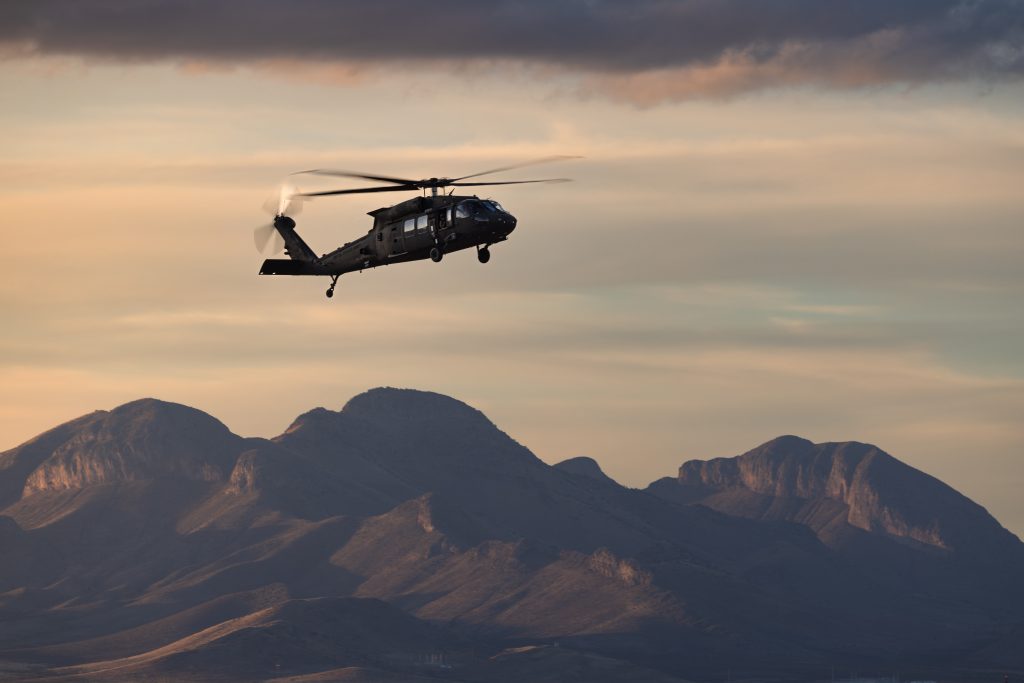
Why Military Pilots Are Exceptional Candidates
Former military aviators are among the most disciplined, technically proficient pilots in the world. They bring rigorous CRM training, high-pressure decision-making experience, and exceptional situational awareness. Knowing where to find qualified pilots with this background requires tapping into the right military-to-civilian pipeline.
TAPS and Hiring Our Heroes
The Transition Assistance Program (TAPS) and the Hiring Our Heroes initiative by the U.S. Chamber of Commerce Foundation both facilitate connections between separating service members and civilian employers. Many transitioning military pilots are actively seeking civilian aviation roles and represent an outstanding talent pool.
Military Aviation Bases and Base Newspapers
Connecting with base education centers or posting in base publications (such as base newspapers or Facebook groups for military aviation communities) can surface candidates weeks before they post their résumés anywhere else.
Flight Schools and Aviation Universities
Building Pipelines With Collegiate Programs
Partnering with aviation universities such as Embry-Riddle Aeronautical University, University of North Dakota, or MTSU Aerospace creates a consistent, long-term pipeline of developing talent. These institutions run career fairs, internship programs, and recruitment events specifically designed to connect students with operators.
How to Engage Effectively
- Sponsor scholarships to build brand recognition among top students early
- Offer internships or mentorship programs that convert promising students into loyal future hires
- Attend on-campus career days and speak directly with students nearing graduation
Part 141 and 61 Flight Schools
Smaller, certified flight schools often produce highly motivated local pilots. Building relationships with chief flight instructors at Part 141 schools gives you early access to candidates advancing toward commercial and ATP certificates.
Where to find qualified pilots: Industry Events and Airshows
Sun ‘n Fun and AirVenture Oshkosh
Events like Sun ‘n Fun in Lakeland, Florida, and EAA AirVenture in Oshkosh, Wisconsin, are not just spectator events — they are massive networking hubs. Recruiting booths and informal conversations at these gatherings consistently yield high-quality leads. Pilots who attend these events are passionate, engaged, and serious about aviation as a career or lifestyle.
Where to find qualified pilots: Online Communities Beyond the Typical Job Board
Aviation-Specific Forums and Facebook Groups
Platforms like Airline Pilot Central, PPRuNe (Professional Pilots Rumour Network), and aviation-focused Facebook groups host tens of thousands of active pilots. Posting openings here — or participating in discussions as a hiring authority — creates authentic engagement with candidates who self-identify as serious professionals.
LinkedIn Aviation Niche Networks
LinkedIn remains underutilized in aviation recruiting. Building a targeted search using filters like “Airline Transport Pilot,” “Type Rating,” or specific aircraft models surfaces candidates that no job board algorithm would prioritize. Following up with personalized outreach dramatically improves response rates.
Referral Programs Within Your Own Organization
Your current pilots are your best recruiters. Implementing a structured employee referral program incentivizes your crew to recommend qualified contacts from their training cohorts, previous employers, and professional networks. Referred candidates typically onboard faster, align better with company culture, and demonstrate higher retention rates.
Working With Aviation-Specific Staffing Agencies
Specialized aviation staffing firms — unlike general recruiters — understand the nuances of FAR Part 121, 135, and 91 operations. They may be a great place where to find qualified pilots. Agencies such as Aviall Services, Global Aviation, or regional aviation HR consultancies maintain active rosters of pre-screened, certificate-verified candidates ready for placement.
Final Thoughts
Knowing where to find qualified pilots requires a multi-channel, relationship-driven approach that extends well beyond the limitations of conventional job boards. From military transition pipelines and collegiate partnerships to industry events, specialized forums, and internal referral programs, the most effective recruiting strategies combine visibility, authenticity, and long-term relationship building. The aviation industry’s talent is out there — you simply need to know where to look, and more importantly, how to connect.
Investing in diverse, strategic recruiting channels today ensures your flight operation remains staffed with experienced, committed professionals well into the future.
Related Posts


<p>The post Where to Find Qualified Pilots (Beyond Job Boards): 5 Powerful Methods for Better Results first appeared on Aviation Careers.</p>
]]><p>The post Background Checks in Aviation: 7 Proven Methods to Avoid Costly Hiring Mistakes first appeared on Aviation Careers.</p>
]]>Table of Contents
Background Checks in Aviation: The Gatekeepers of Aviation Hiring
In aviation, the most consequential decisions are often made long before an aircraft leaves the ground. Hiring is one of them. Behind every pilot, mechanic, or safety-sensitive employee is a web of verification—structured, regulated, and largely invisible to the public. These processes, collectively known as background checks in aviation, are not merely administrative hurdles. They are foundational to safety, compliance, and trust.
Unlike many industries, aviation does not tolerate ambiguity in a candidate’s history. The margin for error is narrow, and the cost of oversight is measured not just in dollars, but in risk exposure. As a result, background checks in aviation have evolved into a layered system governed by federal regulations, interagency coordination, and increasingly, digital recordkeeping.
At the center of this system are three pillars: the Pilot Records Database (PRD), Transportation Security Administration (TSA) vetting, and Department of Transportation (DOT) drug and alcohol compliance. Each serves a distinct function. Together, they form a comprehensive screening architecture that employers must navigate with precision.
The Pilot Records Database (PRD): A Digital Paper Trail
The introduction of the PRD marked a significant shift in how background checks in aviation are conducted for pilots. It replaced the older, fragmented Pilot Records Improvement Act (PRIA) process with a centralized, electronic system designed for transparency and efficiency.
What the PRD Contains
The PRD consolidates pilot-specific records from multiple sources into a single, accessible platform. These include:
- FAA certification details and enforcement history
- Air carrier employment records
- Training, qualification, and proficiency check results
- Disciplinary actions and separation records
For hiring managers, this transforms the evaluation process. Instead of relying on mailed documents and partial disclosures, employers can review a candidate’s operational history in near real time.
Why the PRD Matters
The PRD is not just a repository; it is a risk management tool. It allows operators to identify patterns—recurrent checkride failures, training delays, or performance concerns—that may not surface in an interview.
Eliminating Information Gaps
Before the PRD, background checks in aviation were vulnerable to incomplete data. Records could be delayed, lost, or selectively disclosed. The PRD closes those gaps, making it significantly more difficult for adverse history to go unnoticed.
For employers, this means greater accountability. For pilots, it reinforces the importance of consistent performance and professional conduct throughout their careers.
TSA Vetting: Security as a Hiring Function
While the PRD focuses on operational competence, the TSA addresses a different dimension: security. Background checks in aviation must account for the potential risks associated with access to aircraft, airports, and sensitive infrastructure.
Criminal History Records Check (CHRC)
The TSA’s Criminal History Records Check is a cornerstone of aviation security screening. It is required for individuals with unescorted access to secure areas or those undergoing flight training in certain aircraft categories.
Scope of the CHRC
The CHRC examines:
- Felony convictions and disqualifying criminal offenses
- Identity verification through fingerprinting
- Legal eligibility to hold security-sensitive positions
This process is not discretionary. It is mandated, standardized, and enforced across the industry.
Threat Assessment and Eligibility
Beyond criminal history, TSA vetting includes broader threat assessments, particularly for non-U.S. citizens seeking flight training. Programs such as the Alien Flight Student Program (AFSP) ensure that candidates are evaluated against national security criteria.
The Employer’s Responsibility
Employers must ensure that TSA requirements are completed and documented prior to granting access or initiating training. In practice, this means background checks in aviation are not a one-time event, but an ongoing compliance obligation.
Failure to adhere to TSA protocols does not simply delay hiring—it introduces regulatory exposure and potential enforcement action.
DOT Drug and Alcohol Testing: Behavioral Compliance

If the PRD speaks to performance and the TSA to security, the DOT addresses behavior. Specifically, substance use in safety-sensitive roles. Background checks in aviation would be incomplete without a thorough review of a candidate’s drug and alcohol testing history.
The DOT Framework
Under 49 CFR Part 40, the DOT mandates drug and alcohol testing for safety-sensitive employees, including pilots and mechanics. This includes:
- Pre-employment drug testing
- Random testing programs
- Post-accident and reasonable suspicion testing
- Return-to-duty and follow-up testing
Querying Testing History
Employers are required to obtain a candidate’s testing history from previous employers before allowing them to perform safety-sensitive duties.
The Six-Year Lookback
Typically, this involves a multi-year review of:
- Positive test results
- Refusals to test
- Violations of substance use policies
- Completion of return-to-duty processes
This aspect of background checks in aviation is particularly consequential. A single unresolved violation can disqualify a candidate from employment until specific rehabilitation steps are completed.
Behavioral Risk Management
The DOT framework is not punitive by design. It is preventative. It ensures that individuals operating in safety-critical environments meet strict behavioral standards.
For employers, it reinforces the need for diligence. For candidates, it underscores that past actions—documented and verifiable—carry forward into future opportunities.
Integrating PRD, TSA, and DOT into a Cohesive Process
Individually, each component of background checks in aviation serves a clear purpose. The challenge for employers is integration—ensuring that PRD reviews, TSA vetting, and DOT compliance are executed in a coordinated, timely manner.
Building a Standardized Workflow
Effective operators develop structured hiring workflows that include:
- Sequential verification steps
- Clear documentation requirements
- Defined decision thresholds
- Compliance tracking and audit readiness
Avoiding Bottlenecks
Delays often occur when these elements are treated as separate tasks rather than parts of a unified system. A missing PRD record, an incomplete TSA clearance, or an outstanding DOT query can stall the entire hiring process.
In a competitive labor market, speed matters—but not at the expense of compliance.
The Role of Technology
Modern hiring platforms and databases are increasingly used to streamline background checks in aviation. Automation reduces administrative burden, improves accuracy, and ensures that no step is overlooked.
However, technology does not replace judgment. It supports it. Final hiring decisions still require experienced evaluation, particularly when records present complexity or nuance.
The Human Element Behind the Records
It is easy to view background checks in aviation as purely procedural. Forms submitted, boxes checked, records reviewed. But behind every data point is a person—a career, a history, a trajectory.
For employers, the task is not simply to verify compliance, but to interpret context. A training setback may reflect growth. A past employer dispute may require deeper inquiry. The system provides information; it does not provide conclusions.
Balancing Rigor with Fairness
The integrity of aviation hiring depends on both rigor and fairness. Overlooking critical information introduces risk. Misinterpreting it can exclude capable candidates.
This balance is where experienced leadership matters. It is where policy meets judgment.
The End State: Trust Built Before Takeoff
Background checks in aviation are, at their core, about trust. Trust that the individual in the cockpit, on the ramp, or in the hangar has been vetted, verified, and deemed fit for responsibility.
This trust is not assumed. It is constructed—through PRD transparency, TSA security screening, and DOT compliance frameworks. Each layer reinforces the next.
In an industry defined by precision, these systems operate quietly but decisively. They ensure that by the time a pilot taxis for departure or a mechanic signs a logbook, the most important questions have already been asked—and answered.
Need more information on aviation recruitment? Check out AVIATION RECRUITMENT 2026: THE COMPLETE GUIDE TO HIRING, ATTRACTING, AND RETAINING TOP AVIATION TALENT.
<p>The post Background Checks in Aviation: 7 Proven Methods to Avoid Costly Hiring Mistakes first appeared on Aviation Careers.</p>
]]><p>The post Aviation Maintenance Staffing Shortage: 3 Hidden Drivers and the Frustrating Industry Impact first appeared on Aviation Careers.</p>
]]>Table of Contents
Understanding the Aviation Maintenance Staffing Shortage
The aviation maintenance staffing shortage has become one of the most pressing operational challenges across the global aviation industry. Airlines, Part 135 operators, MRO providers, and corporate flight departments are all competing for a limited pool of qualified A&P mechanics. This shortage is not a temporary disruption—it is a structural issue that directly impacts safety, aircraft availability, and revenue generation.
At its core, the aviation maintenance staffing shortage is driven by a mismatch between supply and demand. Aircraft fleets are expanding, utilization rates are increasing, and regulatory requirements remain uncompromising. Meanwhile, the pipeline of new technicians entering the workforce is insufficient to replace those exiting it.
For employers, this is no longer just a hiring problem. It is a strategic risk that requires long-term workforce planning and deliberate intervention.
Root Causes of the Aviation Maintenance Staffing Shortage
Aging Workforce and Retirements
One of the most significant contributors to the aviation maintenance staffing shortage is the aging technician workforce. A large percentage of certificated mechanics are nearing retirement age, and many are exiting the industry faster than they can be replaced.
This demographic shift creates a knowledge gap as well. Experienced technicians carry institutional expertise that is not easily transferred, particularly in complex aircraft systems and troubleshooting environments.
Limited Training Pipeline
The pipeline of new A&P mechanics is constrained. FAA Part 147 schools are producing graduates, but not at a rate sufficient to meet industry demand. Additionally, enrollment in these programs has historically lagged behind other technical and trade professions.
Barriers to Entry
Several factors limit the growth of the training pipeline:
- High upfront training costs
- Limited awareness of aviation maintenance careers
- Competition from other skilled trades offering faster entry and comparable pay
- Geographic concentration of schools, limiting accessibility
These barriers directly contribute to the aviation maintenance staffing shortage by restricting the inflow of new talent.
Competition from Other Industries
Aviation is no longer competing only within its own ecosystem. Skilled technicians are being recruited by industries such as energy, manufacturing, and advanced electronics.
Compensation and Lifestyle Pressures
Many of these competing industries offer:
- Higher starting salaries
- More predictable schedules
- Less regulatory pressure
- Reduced liability exposure
As a result, aviation maintenance struggles to retain talent, further exacerbating the aviation maintenance staffing shortage.
Post-Pandemic Workforce Disruption
The COVID-19 downturn led to furloughs, layoffs, and early retirements across aviation. Many technicians who left the industry did not return. Some transitioned permanently into other sectors.
The rebound in travel demand has been rapid, but the workforce recovery has lagged significantly. This imbalance has intensified the aviation maintenance staffing shortage across all segments.
Increasing Technical Complexity
Modern aircraft are more advanced than ever, incorporating digital avionics, composite materials, and integrated systems. This evolution requires a higher level of technical proficiency and ongoing training.
Skills Gap Expansion
The result is not just a shortage of technicians—but a shortage of qualified technicians. Employers are often forced to choose between underqualified candidates or leaving positions unfilled.
This widening skills gap is a defining feature of the aviation maintenance staffing shortage.
Operational Impact of the Aviation Maintenance Staffing Shortage

The aviation maintenance staffing shortage is not an abstract concern. It has direct operational consequences:
Reduced Aircraft Availability
When maintenance staffing levels are insufficient, aircraft spend more time on the ground awaiting inspection, repair, or return-to-service authorization. This reduces fleet utilization and revenue potential.
Increased Labor Costs
Competition for qualified technicians drives up wages, signing bonuses, and retention incentives. While necessary, these costs compress margins—especially for smaller operators.
Compliance and Safety Risk
Maintenance delays and workforce fatigue increase the risk of human error. Regulatory compliance remains non-negotiable, but staffing shortages place additional pressure on existing teams.
Slower Growth and Expansion
Operators looking to scale fleets or expand operations may be constrained by their ability to staff maintenance positions. In this way, the aviation maintenance staffing shortage becomes a growth limiter.
Strategic Solutions to the Aviation Maintenance Staffing Shortage
As the aviation maintenance staffing shortage continues to impact operations, Aviation Employment Network offers employers a practical solution for sourcing and attracting qualified technicians.
Addressing the aviation maintenance staffing shortage requires a multi-layered approach. Tactical hiring alone will not solve the problem. Employers must think in terms of pipeline development, retention, and long-term workforce strategy.
Build Direct Talent Pipelines
Organizations must actively engage with Part 147 schools and technical programs.
Structured Partnerships
Effective strategies include:
- Sponsoring students through training programs
- Offering internships and apprenticeships
- Creating conditional job offers prior to graduation
- Embedding company presence within school ecosystems
This approach ensures a consistent inflow of entry-level talent and reduces reliance on the open market.
Enhance Compensation and Career Pathways
Compensation must be competitive, but equally important is the visibility of career progression.
Define Advancement Tracks
Technicians should clearly understand pathways such as:
- Lead mechanic roles
- Inspection authorization (IA) progression
- Quality assurance and safety roles
- Management and director-level opportunities
When career growth is visible and attainable, retention improves and the aviation maintenance staffing shortage becomes more manageable.
Improve Work Environment and Scheduling
Lifestyle matters. Employers who address quality-of-life factors gain a competitive advantage.
Operational Adjustments
Consider:
- Predictable shift schedules
- Reduced overtime dependency
- Investment in modern tooling and facilities
- Strong safety culture and leadership engagement
These improvements directly influence technician satisfaction and retention.
Expand Recruitment Channels
Traditional recruiting methods are no longer sufficient.
Broaden the Talent Pool
Employers should explore:
- Military transition programs
- Cross-training from adjacent technical fields
- Second-career candidates
- Geographic relocation incentives
Expanding the candidate base is essential to mitigating the aviation maintenance staffing shortage.
Check this article out on How to Hire A&P Mechanics.
Invest in Training and Upskilling
Given the increasing complexity of aircraft systems, ongoing training is not optional.
Internal Development Programs
Companies that invest in:
- Recurrent technical training
- Manufacturer-specific courses
- Mentorship programs
- Structured onboarding
will develop higher-quality technicians and reduce dependency on external hiring.
Long-Term Outlook for the Aviation Maintenance Staffing Shortage
The aviation maintenance staffing shortage is unlikely to resolve quickly. Demand for air travel continues to grow, and fleet expansion will persist across both commercial and private sectors.
Organizations that treat this challenge as a strategic priority—rather than a reactive hiring issue—will position themselves for long-term success. Those that fail to adapt will face increasing operational constraints, rising costs, and competitive disadvantage.
The solution is not singular. It is systemic. Build the pipeline. Retain the talent. Elevate the profession. That is how the aviation maintenance staffing shortage is solved.
<p>The post Aviation Maintenance Staffing Shortage: 3 Hidden Drivers and the Frustrating Industry Impact first appeared on Aviation Careers.</p>
]]><p>The post How to Hire A&P Mechanics: A Complete 5 Step Guide for Aviation Employers first appeared on Aviation Careers.</p>
]]>Table of Contents
For aviation employers, keeping aircraft in the air is the ultimate goal. However, grounded planes and delayed maintenance schedules are becoming increasingly common due to a critical bottleneck: the shortage of qualified maintenance personnel. If you are wondering how to hire A&P mechanics effectively, it is no longer just an HR initiative—it is a core operational necessity.
Whether you are a commercial airline, a corporate flight department, or an MRO (Maintenance, Repair, and Overhaul) facility, securing top-tier maintenance talent requires a strategic, proactive approach. This guide covers everything you need to know to find, attract, and retain certified aircraft technicians.
How to Hire A&P Mechanics: What Is an A&P Mechanic and Why Demand Is So High
An A&P (Airframe and Powerplant) mechanic is an aviation technician who holds specialized certification from the Federal Aviation Administration (FAA). The “Airframe” rating allows them to work on the body of the aircraft, while the “Powerplant” rating covers the engines. Holding both makes a mechanic incredibly versatile and highly sought after.
When learning how to hire A&P mechanics, you must understand why demand for these professionals is currently at an all-time high, driven by two primary factors:
- The Aging Workforce: A significant portion of the current aviation maintenance workforce is nearing retirement age. As these seasoned professionals exit the industry, they leave a massive knowledge and skills gap.
- The Ongoing Shortage: The post-pandemic surge in air travel, combined with a backlog of aircraft orders and maintenance schedules, has created an intense need for technicians. Aviation maintenance technician (AMT) schools are currently struggling to pump out enough graduates to replace retiring mechanics, let alone meet the industry’s growth demands.
Key Challenges in Hiring A&P Mechanics Recruiting in the aviation maintenance sector is uniquely difficult. Employers mapping out a strategy for how to hire A&P mechanics must navigate several hurdles to secure the talent they need to keep their fleets operational.
- Strict Certification Requirements: Unlike general automotive mechanics, aviation technicians must meet rigorous FAA certification standards. This creates a high barrier to entry, naturally limiting the available talent pool.
- Fierce Competition from Airlines and MROs: Major commercial airlines and large MROs often have deep pockets, allowing them to offer massive sign-on bonuses, superior benefits, and top-tier flight privileges. Smaller operators frequently find themselves priced out of the market.
- Location Constraints: Aviation hubs are highly localized. If your operation is based in a remote area or a region with a high cost of living, convincing a mechanic to relocate can be incredibly difficult.
For a deeper dive into overcoming these industry-wide hurdles, explore our insights on Aviation Recruitment Challenges.
How to Hire A&P Mechanics and Where to Find Them
To build a robust pipeline of maintenance talent, employers need to look beyond generic job boards. A crucial step in mastering how to hire A&P mechanics requires a multi-channel approach:
- Aviation-Specific Job Boards: Platforms like JSfirm, Aviation Job Search, and Trade-A-Plane are frequented by active job seekers in the industry. Posting roles here ensures your job gets in front of a targeted audience.
- Trade Schools and AMT Programs: Partnering with FAA Part 147 certified Aviation Maintenance Technician schools is one of the best ways to secure entry-level talent. Offering apprenticeships or speaking at career days can help you build relationships with mechanics before they even graduate.
- Passive Candidates via Recruiters: The best A&P mechanics are usually already employed. Reaching out to passive candidates through professional networks like LinkedIn, or utilizing specialized aviation recruiters, is often the only way to find experienced lead mechanics or inspectors.
How to Verify Certifications and Compliance Figuring out how to hire A&P mechanics isn’t just about finding a good culture fit; it is a matter of strict regulatory compliance and safety.
- FAA License Checks: Before making an offer, employers must verify the candidate’s certificate standing through the FAA’s Airmen Certification database. This ensures their A&P license is active and free of recent disciplinary actions.
- Experience Logs: Reviewing a candidate’s logbooks and OJT (On-the-Job Training) records is crucial. You need to ensure their experience aligns with the specific airframes and powerplants in your fleet (e.g., Boeing 737s vs. Gulfstream G650s).
- Safety and Regulatory Considerations: During the interview, assess the candidate’s safety culture. Ask behavioral questions about how they handle pressure, document their work, and adhere to FAA regulations and maintenance manuals.
Salary Expectations for A&P Mechanics Compensation is the most critical factor in winning the war for maintenance talent. If your pay scale is outdated, you will lose candidates to competitors.
- Market Ranges: Base salaries for A&P mechanics have risen significantly. While entry-level mechanics might start in the mid-range, experienced technicians and inspectors command premium salaries.
- Shift Premiums and Overtime: Aviation is a 24/7 industry. Mechanics are often required to work nights, weekends, and holidays. Offering strong shift differentials and clear overtime policies is essential for attracting talent to less desirable shifts.
- Regional Differences: Pay must be adjusted for the local cost of living. A mechanic working in San Francisco or New York will require a noticeably higher salary than one in a smaller Midwestern city.
To ensure your compensation packages remain competitive, regularly review current Aviation Salary Benchmarking data.
How to Reduce Time-to-Hire for Maintenance Roles Every day an A&P mechanic role sits vacant, your operation risks delayed flights and lost revenue. Streamlining your hiring process is vital to solving the puzzle of how to hire A&P mechanics quickly.
- Pre-Vetted Talent Pools: Maintain an active database of past applicants and contractors. Having a warm pipeline of candidates who have already passed initial screenings can cut weeks off your hiring timeline.
- Streamlined Interview Process: Highly skilled mechanics will not wait around for a four-round interview process. Consolidate your interviews, conduct technical assessments efficiently, and be prepared to make offers quickly.
Learn more actionable strategies in our guide on Reducing Time-to-Hire in Aviation.
When to Use an Aviation Recruitment Agency for Mechanics Sometimes, internal HR teams simply don’t have the bandwidth or industry connections to fill technical aviation roles. Partnering with a specialized aviation recruitment agency makes sense in several scenarios:
- Hard-to-Fill Roles: If you are looking for a mechanic with a very specific type-rating or a Director of Maintenance (DOM), an agency’s deep network is invaluable.
- Contract vs. Permanent Needs: When facing a sudden Aircraft on Ground (AOG) situation or a heavy phase maintenance check, you may need temporary contract labor. Agencies can quickly deploy vetted contractors to bridge the gap without the long-term commitment of a permanent hire.
Retention Tips for A&P Mechanics Hiring a great mechanic is only half the battle; keeping them is just as important. High turnover in the maintenance hangar is costly and disruptive.
- Career Progression: Mechanics want to know they have a future at your company. Create clear pathways for advancement, such as moving from a line mechanic to an inspector, lead mechanic, or maintenance manager. Offer to pay for additional training, such as Inspection Authorization (IA) certification.
- Work Conditions and Scheduling: The physical environment matters. Invest in climate-controlled hangars, provide high-quality tooling or generous tool allowances, and prioritize safety. Furthermore, offering creative scheduling—like four 10-hour shifts or a “7 days on, 7 days off” rotation—can vastly improve work-life balance and boost retention.
Final Thoughts: Building a Reliable Maintenance Workforce Understanding how to hire A&P mechanics in today’s highly competitive market requires a blend of competitive compensation, streamlined hiring processes, and a deep understanding of aviation compliance. By tapping into the right talent pools, moving quickly when you find good candidates, and fostering a supportive work environment, you can build a reliable, highly skilled maintenance team that keeps your fleet flying safely.
Need certified A&P mechanics fast? Request pre-screened candidates today.
Related Posts

<p>The post How to Hire A&P Mechanics: A Complete 5 Step Guide for Aviation Employers first appeared on Aviation Careers.</p>
]]><p>The post How Aviation Staffing Agencies Work: 5 Ways to Elevate Your Hiring Strategy first appeared on Aviation Careers.</p>
]]>Table of Contents
This guide explains How Aviation Staffing Agencies Work and when to use one. For airlines, airports, maintenance organizations, and other aviation operators, staffing is a highly regulated, safety-critical function. Understanding the mechanics of aviation staffing agencies can help you move faster, control costs, and maintain compliance without sacrificing quality. Below, you’ll find a practical overview of the process, the benefits, potential risks, and actionable tips to choose the right partner. By the end, you’ll see why many aviation teams rely on staffing specialists to fill both everyday roles and hard-to-find expertise. How Aviation Staffing Agencies Work is often the difference between a delayed project and a smooth, compliant hiring cycle.
What are aviation staffing agencies?
Aviation staffing agencies are specialized recruiting firms that focus on aviation-related roles, from pilots and avionics technicians to cabin crew, air traffic controllers, and ground-support staff. These agencies understand industry licensing, medical requirements, security clearances, and union or contractor considerations that are unique to aviation. They act as intermediaries who source talent, screen for essential credentials, and manage the logistics of placement. In essence, they embody the question of How Aviation Staffing Agencies Work by combining talent pipelines with rigorous compliance and process discipline.
Key components of How Aviation Staffing Agencies Work

To grasp the value of aviation staffing agencies, it helps to break down the core components of their model. The following sections describe the typical lifecycle from client engagement to candidate placement, and how each step aligns with the central idea of How Aviation Staffing Agencies Work.
Sourcing and vetting talent
One of the most important stages in How Aviation Staffing Agencies Work is building a pool of qualified candidates. Agencies tap multiple channels—industry networks, flight schools, maintenance schools, and licensed professionals who maintain current certifications. They conduct credential verification, license validation, medical examinations, and security checks as applicable to the role and jurisdiction. They may also administer job-relevant assessments to evaluate technical skills and safety acumen. This rigorous vetting helps ensure that when you hire through an agency, you’re relying on a pipeline that aligns with aviation standards and your operational requirements.
Candidate sourcing
Aggressive sourcing strategies help agencies locate active and passive candidates who meet the precise criteria for aviation roles.
AVIATION EMPLOYMENT NETWORK CAN HELP WITH YOUR SOURCING NEEDS! CLICK HERE TO CHECK IT OUT.
Credential verification
Licenses, ratings, medical certificates, and regulatory approvals are checked before candidates proceed to client interviews or onboarding.
Assessment methods
Role-specific simulations, competency interviews, and safety-related assessments support quality decisions and reduce risk.
Placement and onboarding
Once a suitable candidate is identified, the agency coordinates placement, often providing contract terms, start dates, and onboarding support. This stage exemplifies How Aviation Staffing Agencies Work by translating candidate readiness into a seamless transition for the employer. Depending on the arrangement, placements can be temporary, temp-to-hire, or permanent. The onboarding process typically includes orientation, regulatory briefings, and any role-specific training required before the employee operates in a live environment.
Contract structures
Contracts may be short-term, long-term, or project-based. Agencies can offer payrolling, payroll administration, and benefits management for flexible labor models.
Induction and training
New hires may receive initial aviation-specific training or safety briefings so they meet client expectations from day one.
Compliance and safety considerations
Compliance is central to How Aviation Staffing Agencies Work. Aviation is a regulated field, so agencies must stay current with licensing, drug testing policies, background checks, and security requirements. They also monitor regulatory changes and adjust screening criteria accordingly. This focus on compliance protects both the employer and the worker while supporting safe, reliable operations.
Licensing and regulatory alignment
Agencies verify that qualifications match regional and airline-specific requirements.
Medical and fitness standards
Occupational health checks and flight/maintenance medicals ensure candidates are fit for duty when required.
Security and background checks
Background investigations align with industry and airport security standards, reducing risk for critical roles.
When to use a staffing agency in aviation
Knowing How Aviation Staffing Agencies Work helps you decide the right time to engage a partner. Consider these scenarios where an agency can add value:
- Surges in demand, such as peak travel seasons, fleet expansions, or large maintenance campaigns.
- Specialized roles with tight licensing or certification requirements, like certain avionics or aeronautical engineering positions.
- Geographic or international hiring where local regulations and visa issues complicate direct hires.
- The need for rapid filling to minimize flight cancellations, grounded aircraft, or delayed projects.
- Temporary coverage during sickness, leaves, or training periods that requires temporary-to-permanent solutions.
In these contexts, the ability to ramp talent quickly while maintaining regulatory compliance is a practical demonstration of How Aviation Staffing Agencies Work, and it often leads to faster operations and lower cost of hire over time.
Benefits of outsourcing hiring to an aviation staffing agency
Partnering with a staffing agency in aviation delivers several concrete advantages. First, you gain access to a curated pipeline of pre-screened, qualified candidates who already understand industry standards. This accelerates How Aviation Staffing Agencies Work in practice, translating into shorter time-to-fill cycles. Second, agencies handle many compliance tasks, from licensing verification to safety training, reducing regulatory risk. Third, you can scale your workforce up or down with agility, supporting project-based needs without long-term commitments. Finally, agencies often offer payroll, benefits administration, and contingent workforce management, which can simplify HR operations during busy periods.
Risks and how to mitigate them

As with any hiring model, there are potential downsides to consider when evaluating How Aviation Staffing Agencies Work. Common concerns include cost sensitivity, misalignment between candidate and employer culture, and the risk of over-reliance on a single supplier. To mitigate these risks, define success metrics upfront (time-to-fill, quality of hire, retention). Request detailed screening criteria, establish clear service-level agreements, and ask for access to the agency’s candidate pool data and compliance documentation. A well-scoped engagement aligned with your safety and operational goals makes How Aviation Staffing Agencies Work a reliable asset rather than a cost center.
How to choose the right aviation staffing agency
Choosing the right partner is critical to maximizing the value of How Aviation Staffing Agencies Work. Look for agencies with:
- Specialization in aviation and a track record with your role types (pilots, technicians, cabin crew, etc.).
- Proven compliance processes, credentialing accuracy, and strong safety culture.
- Transparent pricing, contract flexibility, and clear SLAs.
- Robust candidate pipelines, fast onboarding capabilities, and good references from similar operators.
- Data security practices and a clear policy for IP and worker classification (contractor vs. employee).
When evaluating potential partners, ask for case studies, pilot staffing metrics, and a demo of their screening and onboarding workflow. If you’re unsure about How Aviation Staffing Agencies Work in your specific context, request a short pilot or trial period to assess fit without a long-term commitment.
Conclusion
Ultimately, How Aviation Staffing Agencies Work boils down to balancing speed, quality, compliance, and cost. A good aviation staffing partner brings a rigorous vetting process, regulatory expertise, and scalable solutions that align with safety and operational goals. If you’re navigating surge demand, niche roles, or international hiring, engaging an aviation staffing agency can transform hiring from a bottleneck into a strategic strength. By understanding the mechanics and carefully selecting a partner, airlines and aviation entities can realize faster fills, reduced risk, and a more resilient workforce.
Related Posts


<p>The post How Aviation Staffing Agencies Work: 5 Ways to Elevate Your Hiring Strategy first appeared on Aviation Careers.</p>
]]><p>The post Aviation Workforce Planning: A High‑Impact Forecasting Guide to Strengthen Your 2027 Workforce first appeared on Aviation Careers.</p>
]]>Table of Contents
Aviation employers are entering a period where Aviation Workforce Planning is no longer a background HR function. It has become a strategic capability that determines whether an organization can operate reliably, grow sustainably, and compete for scarce talent. The labor environment leading into 2027 will be shaped by accelerating retirements, limited training capacity, new aircraft deliveries, and rising wage competition. Employers that build a disciplined, data‑driven approach to long‑range workforce forecasting will be positioned to hire, train, and retain talent while others struggle with shortages.
This article outlines a complete, forward‑looking framework for Aviation Workforce Planning, designed for operators, MROs, OEMs, FBOs, charter companies, and training organizations preparing for 2027.
The Strategic Imperative Behind Aviation Workforce Planning for 2027
The next several years will bring structural changes that make Aviation Workforce Planning essential. Mandatory retirements will accelerate as the 1960s‑born cohort ages out. Regional airlines will continue losing pilots to major carriers, creating downstream shortages. AMT and avionics technician pipelines remain thin, with training capacity lagging industry demand. New aircraft deliveries—especially narrow‑body fleets and business aviation platforms—will require additional crews and maintenance staff. Wage competition will intensify as employers fight for the same limited talent pool.
Organizations that treat Aviation Workforce Planning as a long‑range forecasting discipline, rather than a reactive hiring function, will be able to stabilize operations and reduce churn.
Building a Long‑Range Aviation Workforce Planning Model
A robust Aviation Workforce Planning model for 2027 requires a structured approach that integrates operational data, training timelines, and market intelligence. The following components form the backbone of a reliable forecasting system.
Establish a 36‑Month Forecasting Horizon
Most aviation roles require long lead times. Pilots often need 12–24 months from hiring to line readiness. AMTs may require 6–18 months depending on experience and type ratings. Dispatchers typically need 3–6 months, while ramp, line service, and customer service roles require 1–3 months. Because of these timelines, Aviation Workforce Planning must extend at least three years ahead. A 36‑month horizon allows employers to anticipate retirements, attrition, fleet changes, and training bottlenecks.
Map Current Workforce Inventory
A detailed workforce inventory is the foundation of accurate workforce forecasting. Employers should categorize employees by age, retirement eligibility, certificates, ratings, type qualifications, seniority, upgrade readiness, training currency, and geographic location. This inventory becomes the baseline for all future Aviation Workforce Planning calculations.
Identify Predictable Workforce Losses
Forecasting 2027 hiring needs requires quantifying predictable losses. These include retirements, attrition, internal movement, and training washouts. Aviation employers often underestimate attrition. A realistic Aviation Workforce Planning model uses historical data, not optimistic assumptions.
Align Workforce Needs With Operational Growth
Hiring needs for 2027 must be tied to operational plans. Fleet expansion, new routes, new bases, increased utilization rates, seasonal demand patterns, and contractual service level agreements all influence staffing requirements. Every operational change has a staffing multiplier. One additional aircraft may require 10–14 pilots, 4–6 AMTs, and multiple support roles. A new base may require 20–50 hires across all functions. Integrating these multipliers into Aviation Workforce Planning ensures hiring aligns with real operational demand.
Forecasting Pilot Hiring Needs for 2027

Pilot supply will remain the most constrained segment of the aviation workforce. Employers must build forecasting models that account for both internal and external pressures.
Key Variables in Pilot Workforce Forecasting
Retirement curves, upgrade timelines, flow‑through agreements, compensation competitiveness, and training pipeline throughput all influence pilot availability. Employers that fail to integrate these variables into Aviation Workforce Planning will face chronic understaffing by 2027.
Pilot Training Capacity as a Limiting Factor
Training bottlenecks are now a primary constraint. Simulator availability, instructor staffing, check airman capacity, recurrent training cycles, and type‑rating backlogs all limit throughput. A realistic Aviation Workforce Planning model must include training capacity limits. Hiring 200 pilots is meaningless if only 120 can be trained annually.
Forecasting AMT and Avionics Technician Needs for 2027
AVIATION EMPLOYMENT NETWORK: Post Your Job Openings Today!
Technician shortages will intensify as older mechanics retire and fewer new entrants complete A&P programs. Employers must forecast needs with precision.
Key Variables in Technician Workforce Forecasting
Age distribution, retirement eligibility, type‑rating requirements, scheduled vs. unscheduled maintenance ratios, OEM service bulletin cycles, and fleet modernization timelines all influence technician demand. Because AMTs and avionics technicians require specialized skills, Aviation Workforce Planning must anticipate training needs years in advance.
Strengthening the Technician Pipeline
Employers should integrate pipeline‑building into their 2027 plan. Partnerships with A&P schools, tuition reimbursement, apprenticeships, internal upskilling programs, and cross‑training between airframes all strengthen the pipeline. These initiatives must be embedded into long‑range Aviation Workforce Planning, not treated as ad‑hoc HR projects.
Using Data Analytics to Improve Aviation Workforce Planning
Modern Aviation Workforce Planning relies on data, not intuition. Employers should build dashboards that track attrition rates, training throughput, vacancy rates, time‑to‑hire metrics, cost‑per‑hire, training cost, productivity, and utilization metrics. Data transforms workforce forecasting from guesswork into a measurable, repeatable process.
Predictive Modeling for 2027 Hiring Needs
Predictive analytics can forecast retirement spikes, high‑attrition roles, wage competition impacts, base‑level staffing needs, and training bottleneck effects. Employers that adopt predictive modeling will outperform those relying on manual spreadsheets.
Integrating Compensation Strategy Into Workforce Forecasting
Compensation is now a strategic variable in Aviation Workforce Planning. Wage competition will intensify through 2027, especially for captains, turbine‑experienced first officers, A&P technicians, avionics specialists, and dispatchers. Employers must forecast not only headcount but also compensation escalation. A realistic 2027 plan includes market‑based pay adjustments, retention bonuses, training completion incentives, and geographic differentials. Ignoring compensation trends will undermine even the best Aviation Workforce Planning model.
Building a 2027 Workforce Planning Playbook
A complete Aviation Workforce Planning playbook includes a workforce inventory, a 36‑month forecasting model, a training capacity plan, a compensation strategy, pipeline development initiatives, and risk mitigation strategies. This playbook becomes the employer’s roadmap for 2027.
Conclusion — Workforce Forecasting Is Now a Competitive Advantage
The employers that win in 2027 will be those that treat Aviation Workforce Planning as a strategic discipline. Accurate workforce forecasting allows organizations to prevent staffing shortages, reduce training bottlenecks, improve retention, control labor costs, and support operational growth. Aviation is entering a decade where talent—not aircraft—will be the limiting factor. Employers that master Aviation Workforce Planning today will be the ones operating at full strength in 2027.
You might be interested in this article as well…
How Aviation Staffing Agencies Work: 5 Ways to Elevate Your Hiring Strategy
Related Posts
<p>The post Aviation Workforce Planning: A High‑Impact Forecasting Guide to Strengthen Your 2027 Workforce first appeared on Aviation Careers.</p>
]]><p>The post Build a Scalable Pilot Pipeline: How Part 135 Operators Create Predictable, Long‑Term Staffing Stability first appeared on Aviation Careers.</p>
]]>Table of Contents
Building a scalable pilot pipeline is no longer optional for Part 135 operators. The combination of fleet growth, retirements, and competitive hiring from Part 121 carriers has made it essential to build a scalable pilot pipeline that produces consistent, qualified SICs and future PICs. Operators who invest in structured progression, training agreements, and strategic partnerships are the ones who stabilize staffing, reduce training costs, and protect operational reliability.
This guide outlines how to build a scalable pilot pipeline using proven methods that align with safety, standardization, and long‑term workforce planning.
Why Part 135 Operators Must Build a Scalable Pilot Pipeline
The traditional “post a job and hope” model no longer works. Operators need predictable staffing to support charter demand, maintain customer confidence, and avoid costly cancellations. When you build a scalable pilot pipeline, you create a repeatable system that transforms new SICs into confident, standardized PICs on a timeline the company can sustain.
A scalable pipeline reduces:
- Training churn
- Upgrade delays
- Recruiting costs
- Operational disruptions
- Overreliance on last‑minute hiring
Instead, it creates a controlled flow of talent that matches your fleet plan and business goals.
SIC‑to‑PIC Progression: The Core of a Scalable Pilot Pipeline
A structured SIC‑to‑PIC progression is the backbone of any operator trying to build a scalable pilot pipeline. Without a clear path, SICs leave early, upgrades stall, and staffing becomes unpredictable.
Define a Transparent SIC Development Program
A formal SIC development program should outline:
- Required flight hours and experience
- Aircraft‑specific knowledge milestones
- CRM and ADM expectations
- SOP mastery and standardization benchmarks
- Professionalism and customer‑facing behavior
Why Transparency Matters
When SICs know exactly what is required for upgrade, they stay longer, train harder, and align with company culture. Transparency builds trust, and trust builds retention.
Create a PIC Upgrade Matrix
A PIC upgrade matrix removes subjectivity and ensures fairness. It should evaluate:
- Technical proficiency
- Systems knowledge
- Decision‑making under pressure
- Crew coordination
- Safety reporting participation
- Reliability and judgment
- Customer interaction skills
Data‑Driven Upgrades Improve Safety
Using a matrix ensures upgrades happen based on readiness—not staffing shortages. This protects safety, standardization, and your brand reputation.
Use Scenario‑Based Training for Real‑World Readiness
Scenario‑based training prepares SICs for the realities of Part 135 flying. Include:
- Weather‑driven go/no‑go decisions
- High‑workload IFR
- Diversion planning
- Passenger management
- Automation traps
- Fatigue and risk assessment
This approach ensures your future PICs are not just qualified—they are operationally mature.
Training Agreements: Protecting Your Investment Without Scaring Candidates
Training is expensive. A scalable pipeline requires predictable cost recovery, but training agreements must be fair, transparent, and legally sound.
Build Fair and Transparent Training Agreements
A strong agreement should include:
- 12–24 month commitment
- Monthly prorated repayment
- Clear cost breakdown
- Conditions for waiver (medical, furlough, company breach)
- Conditions for extension (disciplinary issues, training failures)
Avoid Predatory Language
Operators should avoid harsh penalties or vague repayment terms. Fair agreements attract better candidates and reduce legal risk.
Align Agreements With Career Progression
When training agreements are tied to meaningful progression—such as SIC development and PIC upgrade timelines—they feel like a partnership, not a trap. This alignment strengthens retention and helps you build a scalable pilot pipeline that pilots want to be part of.
Partnerships: The Multiplier That Expands Your Pilot Pipeline
Partnerships widen your funnel and reduce your cost per hire. The most successful operators build relationships that feed their pipeline year‑round.
University and Flight School Partnerships
Partner with:
- Part 141 flight schools
- University aviation programs
- Rotor‑to‑fixed‑wing academies
- Military transition programs
What to Offer Students
- Conditional job offers
- Mentorship programs
- Jumpseat observation (where allowed)
- “Day in the life” immersion weeks
- Career pathway presentations
These partnerships position your company as a career destination—not a stepping stone.
Simulator and Training Center Partnerships
Sim partnerships help you:
- Lock in annual training slots
- Reduce cost volatility
- Co‑develop LOFT scenarios
- Build SIC‑to‑PIC bridge courses
- Standardize training across your fleet
This consistency strengthens your ability to build a scalable pilot pipeline that produces predictable results.
OEM, MRO, and Industry Partnerships
OEMs and MROs often provide:
- Type‑specific training modules
- Joint maintenance/pilot training
- Safety data sharing
- Preferred pricing for recurrent events
Industry groups such as NBAA and regional aviation associations also provide access to talent pipelines and workforce development grants.
Internal Training Ecosystem: The Operator’s True Competitive Advantage

A scalable pipeline requires a unified training ecosystem that integrates every stage of pilot development.
Build a Modular Training Architecture
Your training system should include:
- New‑hire indoctrination
- SIC development program
- Recurrent training
- Upgrade training
- Check Pilot standardization
- CRM and safety refreshers
- Customer service training
Standardization Is the Secret Weapon
When Check Pilots and LCAs are aligned, scripted, and consistent, your entire operation becomes safer and more predictable. Standardization is the foundation of a scalable pipeline.
Conclusion: How to Build a Scalable Pilot Pipeline That Lasts
To build a scalable pilot pipeline, Part 135 operators must combine structured SIC‑to‑PIC progression, fair training agreements, and strategic partnerships. When these elements work together, operators gain predictable staffing, reduced training costs, and a stronger safety culture.
A scalable pipeline is not a recruiting strategy—it is an operational strategy. It protects your fleet plan, your customers, and your long‑term growth.
<p>The post Build a Scalable Pilot Pipeline: How Part 135 Operators Create Predictable, Long‑Term Staffing Stability first appeared on Aviation Careers.</p>
]]>